Hey there, let’s cut to the chase – if you’re in the dermal fillers game, whether you’re a clinic owner, aesthetic nurse, or just someone looking to restock your shelves (or test the waters for the first time), you’ve definitely asked this question: Are dermal fillers actually permanent? I get it – I’ve been in this industry for years, chatting with brand reps, clinic managers, and even regular folks who just want to make smart choices before stocking up on products they (and their clients) will actually love. And no, the short answer isn’t a straight yes or no – let’s break this down like we’re talking over coffee, no stuffy medical jargon (promise). Dermal Fillers
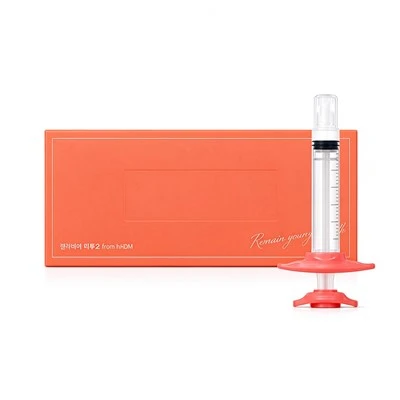
First off, let’s get one myth out of the way: there’s no such thing as a 100% permanent dermal filler. Wait, before you tune out, hear me out. The internet’s full of random claims about “forever fillers” that stick around for a decade or more, but that’s not how facial anatomy works, and it’s definitely not how we formulate products at our lab (since we’re all about safe, effective stuff that doesn’t leave clients lumpy years down the line). Let’s talk about why permanence is basically a buzzword, not a real thing – and why that’s actually a good thing for everyone.
Dermal fillers are made of different ingredients, right? The most common is hyaluronic acid (HA) – that’s the stuff your body already makes, so it’s super compatible. HA fillers work by plumping up the skin, adding volume where it’s lost (like from smiling, ageing, or sun damage). But here’s the key: your body’s immune system breaks down HA naturally over time. How long does that take? Depends on a ton of factors – the type of HA, the cross-linking (that’s how we make the gel not dissolve immediately), where it’s injected, even how fast your own metabolism works. Some thinner, less cross-linked fillers (good for fine lines around the mouth, for example) might only last 6-12 months. Thicker, more cross-linked ones for cheek volume or jawline contour can stick around 18-24 months. No forever there.
Then there are the other types, like calcium hydroxylapatite (CaHA) or poly-L-lactic acid (PLLA). CaHA is a mineral your body has, and it stimulates collagen too – it might last 12-18 months, and some leftover particles can hang around longer, but not the original filler structure. PLLA is a “build-and-sustain” kind of filler – it works over time to make your own collagen, so the results feel longer, but it’s not permanent; you need touch-ups to keep that glow. Even the “semi-permanent” stuff that some older brands used to push (back in the day, there were things like polymethylmethacrylate beads, but those got pulled or restricted because of safety issues – more on that later) isn’t actually permanent, and most reputable suppliers don’t touch those anymore.
Now, why do some people swear they had filler for 10 years? Let’s be real – that’s usually not the same filler. Most likely, they got touch-ups every year or so, so it adds up. Or sometimes, it’s leftover product that’s just tiny particles, not the full plump. I’ve had clients (and clinic partners) tell me they thought their lip filler was forever, but they just didn’t get touch-ups for a while, so it looked like it was still there – no, that’s just the little bits your body didn’t break down super fast, not the original plump.
Here’s where it gets important for us as suppliers, not just for end users: we have a responsibility to be transparent about this. We don’t sell “permanent fillers” because we don’t think it’s ethical. The safety risks of a product that never breaks down are huge – think lumps, granulomas (those weird bumps your body forms around foreign material), or even requiring surgery to remove it. No one wants that, right? That’s why all the major regulatory bodies – like the FDA in the US, or CE marking in Europe – don’t approve permanent dermal fillers anymore. The stuff that gets marketed as “long-lasting” is just formulated to be more durable, not indestructible.
Now, let’s talk about what affects how long filler lasts, because that’s stuff that matters if you’re a clinic buying in bulk (or even a client picking a product for their practice). For example: injection site. Fillers in areas with more movement – like the lips, or around the eyes – break down faster because they’re being stretched and moved all day. Cheeks, which don’t move as much, hold filler longer. Metabolism: someone with a faster metabolism (younger people, people who exercise a lot) might break down filler quicker. Cross-linking is the biggest one for us as manufacturers – more cross-links mean the gel is denser, so your body takes longer to break it down. We balance that, though – too many cross-links can make the filler feel stiff, like it’s not natural.
Another common question: what about the difference between brand-name fillers and generic ones? If you’re a supplier, you’ve probably heard the debate. Some generic fillers use lower-quality cross-linking, so they might break down faster, or have more lumps, or even not be safe because they skip testing. That’s why we only work with brands that have all the regulatory approvals, right? We don’t cut corners on safety, because if a clinic uses bad filler, that reflects on us too. So when you’re sourcing, always check for CE or FDA approval – it’s non-negotiable, even if the price is a little higher.
Wait, let’s circle back to that myth of permanent fillers, because there’s also the case of people who had older “permanent” fillers back in the 90s and early 2000s. Those were often made with stuff that doesn’t break down, and we’re still seeing complications from them now. That’s why the FDA actually put out warnings about those a while back – they’re not used anymore, and we definitely don’t stock them. Our job as suppliers is to sell products that are safe, effective, and easy to adjust if a client doesn’t like the results – which is way better than something you can’t get rid of if it goes wrong.
So, going back to the original question: Are dermal fillers permanent? The short answer is no, not if you’re buying a safe, regulatory-approved product. The longer answer is that the “longevity” depends on the type of filler, how it’s formulated, where it’s injected, and the client’s individual body. And let’s be real – is permanent filler even something you want? If it never breaks down, you can’t reverse it (unless you use an enzyme like hyaluronidase, which only works on HA fillers) if you decide you don’t like the look, or if your tastes change, or if your face ages differently than you expected. Flexibility is way better than being stuck with something forever.
Now, for all the clinic owners and aesthetic providers reading this – if you’re looking to stock dermal fillers that are reliable, safe, and have consistent longevity (not permanent, but long enough to keep your clients happy without the safety risks), we’ve got you. We work with clinics of all sizes, from small local practices to larger medspa chains, offering a range of fillers for every use – from fine lines to jawline contour – all with full regulatory approval, transparent longevity timelines, and pricing that makes sense for your business. We provide training for our partners too, because using filler correctly is just as important as the product itself – we don’t just ship you stuff and disappear.
If you’re tired of dealing with suppliers that overpromise “permanent” results or cut corners on safety, hit us up for a chat. We can go over our product line, share clinical data on longevity, and figure out what works for your clinic’s needs. No pressure, no salesy nonsense – just real talk about fillers that work for both you and your clients.

At the end of the day, the whole point of dermal fillers is to help people feel confident, not to leave them with long-term health risks or results they can’t adjust. So skip the “permanent” filler myths, stick to regulated products, and work with a supplier that’s honest about what they’re selling. That’s how everyone wins.
Micronized Acellular Dermal Matrix References
- American Society of Plastic Surgeons. (2023). Dermal Fillers: What You Need to Know.
- Food and Drug Administration. (2022). Dermal Fillers: Safety Information for Consumers and Providers.
- The Journal of Cosmetic Dermatology. (2021). Longevity of Hyaluronic Acid Dermal Fillers: A Systematic Review.
- European Society for Aesthetic Plastic Surgery. (2020). Guidelines for the Use of Dermal Fillers in Aesthetic Practice.
- International Society of Aesthetic Plastic Surgery. (2023). Safety and Longevity of Dermal Filler Products.
Zhejiang Miracle Biotech Co., Ltd.
As one of the most professional dermal fillers manufacturers and suppliers in China, we also support customized service. Please feel free to buy high quality dermal fillers made in China here from our factory. Welcome to contact us for free sample.
Address: Rooms 304-306, Block A, Building 3, No. 468 Xingfu North Road, Xiasha Subdistrict, Qiantang District, Hangzhou, Zhejiang Province, China.
E-mail: shawn@merkoliregen.com
WebSite: https://www.merkoliregen.com/
