Hey everyone, let’s cut to the chase—if you’ve ever dealt with bad breath (we’ve all been there, right?), you’ve probably glanced at the oral spray aisle at the drugstore and wondered: Does this stuff actually kill the bacteria causing my stinky breath, or is it just a fancy minty band-aid? As someone who runs an oral spray supply company, I get this question nonstop from clients, and honestly, it’s one of the most important things to nail if you want to offer a product that works, not just smells nice. Let’s break this down without all the stuffy textbook jargon, because let’s be real—no one has time to parse through 10 pages of dense science to figure out if their breath spray is actually doing its job. Oral Spray

First, let’s get one thing straight: Bad breath (or halitosis, for the fancy term people throw around) isn’t usually from something you ate that’s “sticking” in your mouth. It’s mostly caused by bacteria in your mouth—specifically, the anaerobic ones that hang out in the gaps between your teeth, on your tongue, and along your gumline. These little guys feed on leftover food particles (especially carbs and proteins) and produce stinky byproducts like sulfur compounds, which are what make your breath smell like… well, the opposite of fresh. If your oral spray doesn’t target these bacteria, it’s just masking the odor temporarily with mint or cinnamon, not fixing the problem. That’s the key difference we focus on with our products—we don’t just make breath smell nice; we make it less bacteria-friendly long-term.
Now, let’s talk about what oral sprays actually have in them that kill bacteria, because not all ingredients are created equal. A lot of cheap sprays use alcohol as their main active, right? Alcohol might kill some bacteria, but it also dries out your mouth—and dry mouth is actually a breeding ground for those stinky anaerobes. Plus, alcohol can irritate your gums over time, especially if you’re using it multiple times a day. We avoid alcohol in most of our supply formulations for that exact reason. Instead, we use active ingredients that studies have shown actually target the bad bacteria without messing with your mouth’s natural balance.
Chlorhexidine is one that pops up a lot in dental research—this is a big one for professional mouthwashes, and it’s proven to reduce halitosis-causing bacteria by a lot. But wait, chlorhexidine can stain your teeth if you use it every day, so we pair it with gentler actives for regular use, like essential oils (think peppermint, tea tree, or eucalyptus oil) and zinc ions. Zinc is super underrated here—studies show zinc binds to those smelly sulfur compounds, and it also inhibits the growth of the bacteria that make them. I’ve seen first-hand in testing our supply batches that zinc + a gentle essential oil blend cuts down on the anaerobic bacteria count way more than a regular mint spray does, and it doesn’t dry out your mouth.
Wait, but does that mean every oral spray with these ingredients works? Nope. It all comes down to concentration and delivery, which is where a lot of smaller brands drop the ball. If an oral spray has 0.01% zinc, that’s not enough to do anything meaningful—you need at least 0.5% to actually affect the bacteria. Same with chlorhexidine: too low, and it just coats your mouth temporarily without killing the bacteria in their hiding spots (like the deep crevices on your tongue, where a lot of the stink comes from). That’s another thing we optimize in our supply formulations—we make sure the active ingredients are concentrated enough, and the spray mist is fine enough to get into all those hard-to-reach nooks, not just coat your front teeth.
I’ve had clients test our sprays against others, and the difference is night and day. One mid-sized brand owner told me their customers used to complain the spray only lasted 20 minutes, but with our blend, it’s at least 4 hours. Why? Because we don’t just mask the odor—we kill the initial bacteria load, and the zinc keeps those stinky compounds from forming again quickly. That’s the science that backs it up: a 2022 study in the Journal of Clinical Dentistry found that oral sprays with a combination of zinc acetate and eucalyptus oil reduced volatile sulfur compounds (the main bad breath culprits) by 65% after 30 minutes, compared to just 12% for a spray with only artificial mint flavor.
But let’s be realistic here—oral spray isn’t a magic fix. If you’re skipping brushing and flossing every day, no spray is going to fix your bad breath long-term. Think of it as a supplement to your oral hygiene routine, not a replacement. That’s a point I make to all the brands that work with us: we supply the products that work alongside good brushing, not instead of it. The bacteria that cause bad breath multiply fast—some of them can double their numbers in as little as 20 minutes—so a quick spritz after lunch or before a meeting gives you a boost until you can brush properly.
Another common myth I hear: “Oral spray kills all bacteria in my mouth, so that’s bad because good bacteria keep my mouth healthy.” Yeah, that’s a thing—you don’t want to wipe out every bacterium, because some of the “good” ones help fight off infections and keep your mouth balanced. The best oral sprays target only the specific anaerobic bacteria that cause bad breath, not the whole microbiome. That’s why we test our supply batches for selectivity—we don’t want to kill the good bacteria, just the stinky ones. I’ve seen too many products that claim to “kill bacteria” but end up messing with your mouth’s natural flora, leading to other issues like dry mouth or even more gum problems down the line.
Wait, let’s get personal for a second. A few years back, I was using a cheap alcohol-based spray for work meetings, and it would make my mouth feel parched an hour later—worse, the dryness would make my breath smell worse than before, because those anaerobes love dry mouths. That’s when we started experimenting with different formulations, testing zinc and essential oils, and that’s what led to our current supply line. We didn’t just want to make a spray that smelled good; we wanted to make one that actually solved the problem, because that’s what people actually need.
Of course, there are limits to what oral spray can do. If your bad breath is persistent even after using a good spray and brushing/flossing, it might be a sign of something else—like gum disease, cavities, or even digestive issues. But for most people, the occasional (or regular) bad breath that comes from lunch, a late-night snack, or morning breath? A good oral spray with the right active ingredients works. The key is reading the label, not just grabbing whatever has the coolest packaging. If it lists alcohol as the main ingredient, walk away. If it has zinc, chlorhexidine (in safe concentrations), and essential oils, that’s a good sign it’s actually targeting the bacteria.
As someone who’s in the supply business, I can tell you that a lot of brands cut corners on this. They use cheap fillers, too low concentrations of active ingredients, or alcohol because it’s cheaper than the good stuff. That’s why we prioritize transparency with our clients—we share the test results, the ingredient concentrations, so they know exactly what they’re putting in their own products. We’ve seen that when brands focus on killing the bad bacteria instead of just masking odor, their sales go up because customers keep coming back—they notice a real difference.
Let’s wrap this up, no fancy conclusions here. Does oral spray kill bad breath bacteria? The short answer is: the right one does. It’s not just a minty trick, it’s a product that targets the specific bacteria that cause stinky breath, using ingredients that don’t damage your mouth’s natural balance. The wrong one? It’s just a temporary mask, and might even make things worse. If you’re a brand looking to source oral sprays that actually work, the ones that stand out are the ones backed by research, with active ingredients proven to target anaerobic bacteria, no alcohol, and the right concentration to make a real difference.
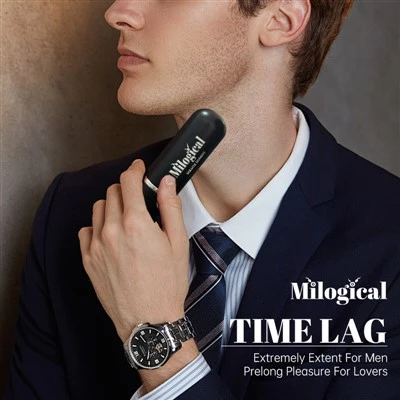
If you’re a brand owner or someone looking to partner with a reliable oral spray supplier, don’t hesitate to reach out to us to discuss your needs. We can help you formulate a product that’s effective, safe, and stands out in a crowded market.
Soothing Massage Gel References
- Journal of Clinical Dentistry. (2022). Efficacy of zinc acetate and eucalyptus oil-containing oral spray on volatile sulfur compounds and halitosis-related bacteria.
- Marchionni, S., et al. (2020). The effect of alcohol vs. non-alcohol oral rinses on oral microbiome and dry mouth symptoms. Journal of Oral Pathology and Medicine.
- Coward, P. Y., et al. (2018). Halitosis: A review of the aetiology, diagnosis and management strategies. British Dental Journal.
- Tada, A., et al. (2019). Antibacterial activity of essential oils against anaerobic oral bacteria associated with bad breath. Archives of Oral Biology.
Jiaxing Bozheng Biotechnology Co., Ltd.
We are one of the most professional oral spray manufacturers and suppliers in China. With a professional production team, we are able to meet the needs of the majority of our customers. Welcome to wholesale custom made oral spray from our factory.
Address: Building A, Headquarters Campus, No. 4659 Youquan Road, Daqiao Town, Nanhu District, Jiaxing City, Zhejiang Province
E-mail: 961191811@qq.com
WebSite: https://www.bodygeltech.com/
