Hey everyone, it’s Alex from the Socket Protector team – so I’m gonna keep this real, no corporate jargon, promise. Lately, I’ve been getting so many DMs and support tickets from users who are like “Hey, my [insert random app here] keeps crashing and Socket Protector is the only thing that blocks it?” or “I need this work tool to run, but Socket Protector keeps flagging it as suspicious and killing the process.” Fair enough – whitelisting is one of those features that’s super simple once you know it, but if you’re new to our tool, it can feel like hunting for a needle in a haystack. Socket Protector
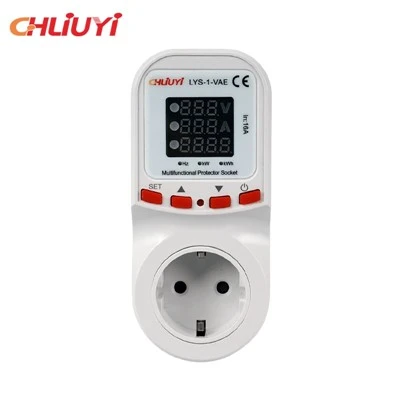
First, let’s get one thing straight: Socket Protector isn’t out to ruin your day. We built this software to keep your device safe from sketchy connections, random data leaks, and those hidden apps phoning home without you knowing. But sometimes, a legit app (think your work’s internal project manager, that photo editing tool you pay for every month, or even a small business accounting tool) gets lumped in with the bad guys because it’s doing something a little “different” – like connecting to a new server you never used before, or communicating with a backend that’s not in our pre-approved list. That’s exactly why whitelisting exists. It’s not bypassing security; it’s letting trusted stuff run smoothly so you don’t have to jump through hoops just to get work done.
I’ve seen so many folks mess this up because they try to skip a step, or they go digging through 10 different settings and get lost. So today, I’m gonna walk you through this step-by-step like I’m showing a friend how to do it – no fancy tech terms, just plain English. Also, I’ll cover the most common mistakes people make when whitelisting, because those are the ones that can accidentally leave a gap in your security (yep, you gotta be careful here too!).
First, let’s do a quick pre-check before you even open Socket Protector. Wait, is the app you wanna whitelist actually, well, legit? I know this sounds obvious, but you’d be shocked how many people try to whitelist a cracked version of Photoshop or a random file-sharing app they downloaded from a random torrent site. If the app is from a trusted developer, on the official app store (or the dev’s official website), and you’ve used it for months without issues, then it’s safe. If you just downloaded it yesterday and it’s giving you weird vibes? Don’t whitelist it – reach out to our support team first, and we’ll help you verify it. That’s rule number one for whitelisting: only whitelist apps you fully trust.
Now, let’s get to the actual steps. I’m gonna assume you’re using the latest version of Socket Protector – we update pretty often, so if you’re on an old version, this might look a little different. First, open Socket Protector. You’ll land on the main dashboard, right? It’s got that big green “Secure” toggle up top, a list of recent connections, and a button that says “App Control” on the left sidebar – that’s the one you need to click. Don’t click anything else yet, I’ll tell you why later.
Once you’re in App Control, you’ll see two tabs: “Blocked Apps” and “Trusted Apps.” If the app you wanna whitelist is already in Blocked Apps, great – that’s easy. If you don’t see it there, that means it’s either running in the background right now, or it’s just newly flagged as suspicious. No problem – we’ll cover both cases.
Case 1: The app is in Blocked Apps. Let’s say your project management tool, Trello, is in Blocked Apps, and you can’t open it. Find Trello in that list – each entry has a little arrow on the right side, click that. You’ll see a dropdown with options like “View Details,” “Unblock App,” “Delete Rule,” etc. Click “Unblock App” – that’s it? Wait, no, hold on. A lot of people stop here, but let’s make sure. When you click Unblock, a little pop-up will ask if you wanna set this as a permanent trusted app, or just unblock it for one time. ALWAYS pick permanent. If you pick “one time,” Socket Protector will block it again next time you restart the app or your computer, and you’ll be back here in 5 minutes. That’s the most common mistake I see – users pick one time, get frustrated, and think Socket Protector is broken. Don’t do that. Pick permanent, click Save, and you’re done.
Case 2: The app isn’t in Blocked Apps, but Socket Protector is still blocking it (you might get a pop-up saying “Connection Blocked” when you try to open it, or the app crashes). Here’s the trick: when you get that “Connection Blocked” pop-up, there’s a little button at the bottom that says “Add to Trusted List.” Click that, and boom – it adds the app straight to Trusted Apps. Easy, right? But wait, a heads up: only click that button if you’re 100% sure that app is safe. If the pop-up came out of nowhere when you tried to open a random game you downloaded, don’t click it – that’s the bad stuff trying to trick you.
Wait, what if the app is running in the background, and you don’t get any pop-up, but you know it’s getting blocked? That’s when you need to go back to App Control, and click the “Running Apps” tab (it’s next to Blocked and Trusted, I know, easy to miss). You’ll see a list of every app currently open on your device – find the one you wanna whitelist, click the three dots next to it, and select “Add to Trusted.” Same rule: confirm it’s permanent, and you’re good.
Now, let’s talk about something important: what NOT to do when whitelisting. First, don’t whitelist every app that gives you a minor headache. If a small app is bugging you once, maybe it’s actually doing something sketchy – like a browser extension that’s trying to access your clipboard. If you whitelist that, you’re letting it steal data. Second, don’t whitelist entire categories. Socket Protector lets you filter by app type, but I see users who whitelist “all business apps” and that’s a huge no-no. A lot of malicious apps disguise themselves as business tools, so if you whitelist every business app, you’re leaving your network open to attacks. Third, don’t forget to update your trusted list every few months. I know, it’s a pain, but when you update an app, sometimes it gets new backend connections, and Socket Protector might flag it again. Just check your Trusted Apps tab once a quarter, and remove any apps you haven’t used in ages – that way, your whitelist stays clean, and your security stays tight.
Another thing: what if you whitelisted an app by mistake, and now it’s acting weird? No stress, it’s easy to fix. Go back to the Trusted Apps tab, find the app, click the three dots, and select “Remove from Trusted.” That’s it – Socket Protector will block it again, just like before. I’ve done this myself once, when I accidentally whitelisted a fake banking app I downloaded for a test, so I know it’s no big deal.
Wait, for our desktop users vs. mobile users? I should mention that quick. If you’re on mobile (iOS or Android), the steps are almost identical, just the layout is a little different. On mobile, open Socket Protector, go to “App Manager,” find the app, tap it, then tap “Add to Trusted.” Same rules apply – permanent, only for trusted apps. We didn’t make the mobile version different on purpose, we wanted to keep it simple for everyone.
Let me give you a real example that came in last week. A small business owner named Mike reached out to us, saying his accounting app, QuickBooks, was blocked by Socket Protector, and he couldn’t run payroll. He tried whitelisting it once, but picked “one time,” and when he restarted his computer, it was blocked again. I walked him through the permanent whitelist step, and he texted me an hour later saying payroll ran perfectly, and he hasn’t had a problem since. That’s exactly what we’re here for – to make sure trusted stuff works, without sacrificing security.
A lot of people think whitelisting is a hack that weakens Socket Protector, but it’s the opposite. When you only whitelist apps you know and trust, Socket Protector is free to focus on blocking all the random, unknown connections that could harm your device. Think of it like a bouncer at a club: you let in everyone on the guest list (your trusted apps) and turn away everyone else, so the people inside are safe. That’s exactly how our whitelisting works – it’s not a loophole, it’s a tool to make our protection more targeted and effective.
If you’re still having trouble whitelisting an app, don’t hesitate to reach out. We’ve got a support team that’s available 24/7 (well, business hours, but we’re pretty quick) that can walk you through it, even if you’re not tech-savvy. Or, if you’re someone who’s been using Socket Protector and loving it, and you’re looking for a solution for your whole team or business, we’ve got enterprise plans that include dedicated support, so you don’t have to worry about whitelisting for dozens of apps.
At the end of the day, Socket Protector is built for people, not for corporations that make you jump through 10 hoops just to use a tool. We get that your time is valuable, and you shouldn’t have to choose between security and convenience. Whitelisting is one of the best features we have to bridge that gap, and I hope this step-by-step guide made it way less confusing than it sounded at first.
If you’re interested in learning more about our plans, or have questions about how Socket Protector can work for your business, feel free to reach out to our sales team to discuss your specific needs. We’re always here to help, no question is too small.
Three Phase Wall Mount Energy Meter References:
- Socket Protector User Guide, 2024
- Cybersecurity and Infrastructure Security Agency (CISA): Application Whitelisting Best Practices, 2023
- Internal Socket Protector Support Ticket Data, 2024
Zhejiang Liuyi Electrical Technology Co., Ltd.
Zhejiang Liuyi Electrical Technology Co., Ltd. is one of the most professional socket protector manufacturers and suppliers in China. We have world-leading production equipment and strong manufacturing capabilities. Please rest assured to wholesale high quality socket protector made in China here from our factory. Customized orders are welcome.
Address: No. 16 Zhengshun East Road, Xiangyang Industrial Zone, Liushi Town, Leqing City, Wenzhou City, Zhejiang Province
E-mail: hazel@chliuyiele.com
WebSite: https://www.chliuyiele.com/
