Hey there! Camlock Coupling
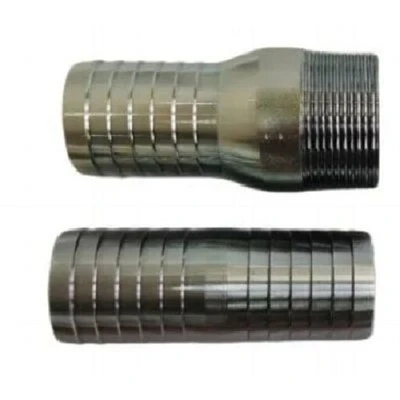
If you’ve ever worked in industries like chemical processing, food and beverage, oil and gas, or even just moving water for large-scale projects, you’ve definitely used Camlock couplings. Those quick-connect, lever-style fittings are total workhorses—they save so much time compared to threaded or flanged connections, and they’re super versatile for transferring all kinds of fluids (and even some dry materials, but that’s a whole other topic). But here’s the thing: I’ve been selling Camlocks for years, and the number one question I get from new customers isn’t “What’s a Camlock?” It’s “How do I make sure this thing doesn’t leak?” Because a loose Camlock connection isn’t just a hassle—it can cost you money (spilled product, downtime), be a safety risk (chemical splashes, slips, trips), and even mess up your end product (like if you’re moving food-grade fluids and a leak introduces contaminants).
I’ve seen guys rush a connection, crank the lever just enough to “click” once, and walk away only to come back 10 minutes later to a puddle on the floor. Or I’ve had a customer tell me their Camlock failed mid-transfer, costing them an entire batch of diesel fuel. So today, I’m breaking down exactly what we teach every one of our clients (from small farm supply shops to Fortune 500 chemical plants) to make sure your Camlock connections are tight, leak-free, and safe—no guesswork required.
First, let’s get one thing straight: Camlocks aren’t “set it and forget it” fittings. A lot of people think the quick-connect design means you can just push the male into the female, flip the lever, and you’re good to go. Nah, that’s like putting a lid on a jar and only twisting it half a turn—sure, it’s on, but it’s not sealed. The lever isn’t just a handle to yank; it’s a critical part of creating a tight, pressure-rated seal.
Let’s start with the basics of how Camlocks work, because if you understand the mechanics, you’ll get why the steps matter. A standard Camlock has two halves: the male adapter (the one with the protruding Cam arm grooves) and the female coupler (the one with the Cam arms and a gasket inside). When you push the male into the female, the Cam arms snap into the grooves. To lock it tight, you flip those arms down—this pulls the two halves together, compressing the gasket between them. That compression is what creates the seal. If you don’t get that arm flip exactly right, the gasket doesn’t compress evenly, or at all, and boom—leak.
So step one: prep is key. A lot of people skip this, but it’s the most common mistake I see. Before you even touch the Camlock, take 10 seconds to check both halves. First, look at the gasket inside the female coupler. Is it cracked? Torn? Covered in gunk (like dried oil, food residue, or dirt)? A damaged or dirty gasket can’t compress evenly, no matter how hard you flip the lever. If the gasket is bad, replace it—don’t just try to make it work. We stock gaskets for every size and type of Camlock we sell, because this is a part that wears out and needs regular replacement, like an oil filter on a truck.
Next, check the male adapter’s end. Is there any burr or rough edge from cutting pipe? Burrs can scratch the gasket when you push it in, or create a gap where fluid can seep out. If there’s a burr, just sand it off with a piece of emery cloth—takes 2 seconds, and saves you a headache later. Also, make sure both halves are the same size and type. I’ve seen a customer try to connect a 2-inch Camlock to a 3-inch pipe—obviously that won’t work. Camlocks are sized by their inner diameter (ID), so a 1-inch NPT male fits a 1-inch female coupler, but mixing sizes is a no-go. And while we’re at it, don’t mix materials unless you know it’s safe. For example, a stainless steel Camlock with an aluminum one can cause galvanic corrosion over time, which will weaken the fittings and lead to leaks. Stick to like materials when possible.
Step two: align correctly, don’t force it. Okay, so both halves are good—gasket intact, no burrs, same size. Now push the male into the female. Here’s the trick: line up the grooves on the male adapter with the Cam arms on the female. If you try to jam the male in at an angle, you’ll bend the Cam arms, scratch the gasket, and end up with a loose connection. The male should slide in straight, no wiggling, until it hits the stop. You shouldn’t have to use a hammer or pliers to push it in—if you do, something’s wrong (either wrong size, or there’s debris in there you missed). We always tell customers: if it doesn’t slide in easily, stop and check again. Force only causes damage.
Step three: flip the lever the right way, and make sure it’s fully locked. This is where most people go wrong. I see guys flip the lever until they hear a “click” and think that’s it, but that click is just the Cam arm snapping into place—not the sign that it’s fully seated. A proper Camlock lever should go all the way down until it’s parallel to the body of the fitting, and stay there. No wiggling. How do you test this? Grab the top of the lever and try to pull it back up. If it moves at all, it’s not locked. You might need to adjust the position of the male adapter a little—sometimes it’s not all the way in, so the arm can’t sit flush. Another pro tip: if you’re connecting to a hose, give the hose a slight tug after locking the lever to make sure the Camlock isn’t loose on the barb. Barbs are for connecting hoses, so make sure the hose clamp is tight too (another common leak point—if the hose slips on the barb, the Camlock connection will be loose).
Wait, what about pressure? Because if you’re moving fluid under pressure, even a tiny gap can turn into a big leak. For high-pressure applications (like over 100 PSI), we always recommend adding a safety pin through the hole in the Cam arm. That pin keeps the lever from popping open accidentally, which is a huge safety issue. I had a customer a few months back who skipped the safety pin for a transfer of pressurized hydraulic fluid—one of the levers popped open when the hose got a kink, and they had fluid spraying all over their shop. They said it took them two hours to clean up, and they almost slipped. Don’t be that guy. If you’re dealing with pressure, use the safety pin. It takes 2 seconds, and it’s a cheap extra part we include with every Camlock we sell for just this reason.
Now, let’s talk about maintenance, because a tight connection today means a tight connection tomorrow. A lot of people use Camlocks all day, every day, and never check them until something goes wrong. Here’s a quick routine we suggest: after every use, take the Camlock apart and clean both halves. Wipe out the female coupler, clean the gasket (or replace it if it’s dirty), and make sure the grooves on the male are free of gunk. Debris in the grooves can prevent the Cam arms from seating fully, leading to leaks. Also, inspect the Cam arms and the pivot points regularly—if they’re bent or rusted, the lever won’t move smoothly, and you won’t get a tight seal. We offer a lubricant specifically for Camlock pivot points— it’s a light, food-safe (if you need that) grease that keeps the levers moving easy, but doesn’t attract dirt or gunk. Don’t use heavy grease, because that will build up and cause the arms to stick.
Another thing that people overlook: temperature and chemical compatibility. If you’re moving hot fluids, like water at 200°F, or harsh chemicals like acids or solvents, a standard gasket might not hold up. We stock different gasket materials—EPDM for general purpose, Viton for chemicals, silicone for high temps and food applications, etc. If you use the wrong gasket for your fluid, it can degrade, crack, or swell, and that will cause a leak no matter how tight you lock the Camlock. A customer of mine once used a standard EPDM gasket for transferring gasoline—within a week, the gasket swelled up, and they had a leak. Switched to a Viton gasket, and they haven’t had an issue in two years. So always match your gasket material to your application—we can help you figure that out if you’re not sure, no pressure.
Wait, what about when you’re disconnecting? Don’t just yank them apart—first, relieve any pressure in the line. If you disconnect a Camlock under pressure, the fluid will spray out, and the sudden movement can bend the Cam arms or scratch the gasket, leading to leaks next time. So step back, open the valve, let the pressure bleed off, then flip the lever back up and pull the male out. That way, you’re not damaging the fittings before you even use them again.
I know this seems like a lot of steps, but honestly, it’s all quick—takes 30 seconds per connection, max. And when you’re moving thousands of gallons of fluid a day, those 30 seconds save you from way more downtime and mess. Let me give you an example: last year, we had a customer in the food and beverage industry who was having constant leaks on their transfer lines for fruit juice. They were going through 5 gaskets a week, and their line was down for 2 hours every time a leak happened. They tried different brands of Camlocks, cheaper ones, more expensive ones, nothing worked. They came to us, and we walked them through these steps. First, we switched them to food-grade Viton gaskets (their old ones were generic EPDM). Then we had them start checking for burrs and aligning the male straight every time, and using the safety pin for their pressurized lines. Six months later, they called us—they haven’t had a leak since. That’s the difference between doing it right and cutting corners.
A lot of guys think Camlocks are a commodity—all brands are the same, right? Wrong. At our company, we build every Camlock to withstand repeated use, but even the best Camlock won’t work right if you don’t connect it properly. The steps I just told you work for every Camlock, no matter who makes them, but we always include a quick cheat sheet with every order, so you don’t forget.
If you’re dealing with leaks, downtime, or just want to make sure your Camlock connections are as tight as possible, don’t guess—reach out to our team. We’ve worked with every kind of industry, from small farms to big refineries, and we can help you pick the right Camlock, gasket, and fittings for your specific application, plus answer any questions about connecting and maintaining them. No sales pitch, just straight talk—we’ve been in this business for years, and we know that happy customers come from fittings that work when you need them, no leaks, no headaches.
At the end of the day, a tight Camlock connection isn’t rocket science—it’s paying attention to the small details. Prep the fittings, align correctly, lock the lever all the way, use the right gasket, and maintain them regularly. Do that, and you’ll cut down on leaks, save money, and keep your operations running smooth.
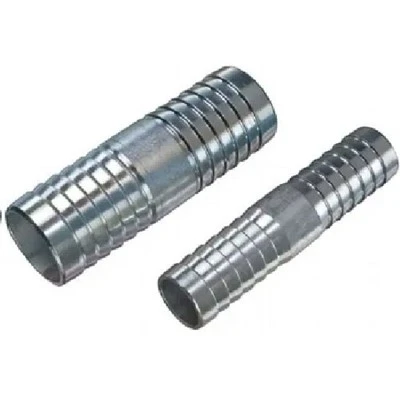
If you need help with your Camlock connections, or want to stock up on quality Camlocks and gaskets, get in touch with our team. We’re here to help.
Custom Hardware References:
- Cam and Groove Coupling Safety and Operation Guidelines. Hose & Coupling Association, 2021.
- Material Compatibility for Fluid Transfer Fittings. American Society of Mechanical Engineers (ASME), 2020.
- Preventing Leaks in Quick-Connect Couplings: Best Practices for Industrial Applications. Industrial Fluid Solutions Magazine, 2022.
Suzhou Fuyikang Metal Industrial Co., Ltd.
As one of the most professional camlock coupling manufacturers and suppliers in China, we have world-leading production equipment and strong manufacturing capabilities. We warmly welcome you to buy bulk high quality camlock coupling for sale here from our factory.
Address: No.26.Mudong Rd,Mudu Town, Wuzhong Distric, Suzhou City,Jiangsu Province,China
E-mail: SZFYK@SZFUYIKANG-COUPLING.COM
WebSite: https://www.fyk-coupling.com/
