Hey everyone, it’s Jake from the foot valve team, and if you’ve ever worked on a plumbing job, a small irrigation system, a well pump setup, or even some light industrial equipment, you’ve probably crossed paths with a spring foot valve—even if you didn’t know it by name. I get it, not everyone lives and breathes these parts like we do, so today I’m breaking down exactly what a spring foot valve is, why it matters, and why ours (duh, I’m biased) are the ones you’ll actually want to work with. No stuffy engineering jargon, just straight talk from someone who’s been sourcing, selling, and troubleshooting these things for over 12 years. Foot Valve
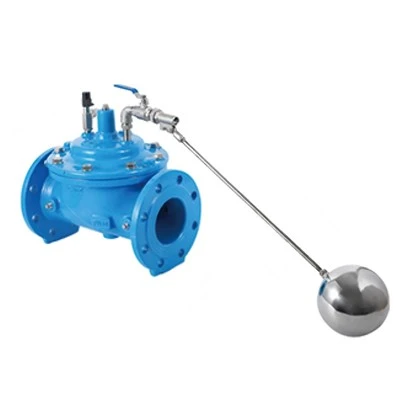
First, let’s cut to the basics. A spring foot valve is a one-way check valve that sits at the bottom end of a suction pipe, right at the point where it dips into a fluid source—think a well, a sump, a pond, or even a large water tank. The “spring” part? That’s the internal component that keeps the valve’s disc (or flap, depending on the design) closed when there’s no flow. And the “foot” part? That’s the weight of the valve body itself, plus the way it’s built to sit flat on the bottom of that fluid source so it doesn’t tip over or dig into mud/sediment. I’ve seen so many installers skip that part and just drop the valve in—big mistake. If it’s not sitting level, it leaks before you even turn the pump on.
Wait, let’s make that one-way part clear because that’s the whole point. When your pump turns on, it pulls a vacuum in the suction pipe, right? That vacuum lifts the spring-loaded disc, letting fluid flow up the pipe towards the pump. The second the pump shuts off, two things happen: gravity slams the disc back down, and the spring adds a little extra force to make sure it’s sealed tight. No leaks, no drained lines, no having to re-prime your pump every single time you fire it up. That’s the magic. Without a foot valve, every time your pump stops, all the fluid in the suction pipe would run back down into the source, leaving your pump empty and useless until you pour gallons of water down the pipe to prime it again. For small systems, that’s annoying. For a 500-foot agricultural well or a commercial sump pump setup? That’s a total nightmare.
Let’s talk about how it’s built, just enough to get why design choices matter. Most spring foot valves are made for specific fluids and pressures. For residential well pumps, you’ll find brass or PVC versions—brass is tough, doesn’t corrode, perfect for fresh water, PVC is cheap and lightweight for smaller jobs or temporary setups. For industrial stuff, we use cast iron or stainless steel, because you’re dealing with thicker fluids, higher pressures, or even mild chemicals. The spring itself is a hidden hero, though. We use stainless steel springs in all our valves—no cheap steel that’ll rust out in a year if you’re working with slightly mineral-heavy water. The disc? Usually a neoprene or EPDM rubber seal, soft enough to make a tight seal but durable enough to take the slamming every time the pump turns off. I’ve had customers tell me they replaced generic valves every 6 months because the seal wore out, and our valves last 5+ years, easy. That’s not luck, that’s paying attention to details.
Now, let’s bust a few common myths because I hear these all the time. First myth: “A regular check valve works just as well as a foot valve.” No, it doesn’t. Regular check valves install along the pipe, usually near the pump. Foot valves go at the bottom, submerged. If your regular check valve is clogged with sediment? It won’t seal, and you still get backflow. If your foot valve is clogged? You can pull it out and clean it without dropping the whole pipe. Also, check valves don’t have that built-in foot, so you can’t drop them to the bottom of a well or pond easily—they’ll tip, sit at an angle, and leak. Second myth: “Foot valves are only for wells.” Nope. They’re used in anything that requires priming, basically. Sump pumps, irrigation systems for large lawns, pool filling lines, even small marine applications—we’ve shipped valves to a guy who uses one for his backyard fountain that draws from a small creek, and to a commercial company that uses them for their water transfer trucks. Third myth: “All foot valves are the same.” Dude, I’ve tested generic no-name valves that couldn’t hold pressure for 10 seconds. Our valves are rated for up to 200 PSI, we test every single one before it leaves our warehouse. I’ve seen a job where a generic foot valve failed mid-harvest, and the farmer lost 3 days of work because his irrigation pump drained every night. Don’t cut corners here, trust me.
Let’s talk about when you actually need a spring foot valve, because not every job requires one. If your pump is self-priming? Cool, you might not need it. But if it’s a submersible pump? Wait, hold on—even submersible pumps can benefit from a foot valve, especially if the well is deeper than 25 feet. Submersible pumps don’t need priming, but adding a foot valve reduces wear on the pump. When the pump shuts off, the valve stops the fluid from surging back, so the pump doesn’t have to work as hard when you turn it back on. That extends the pump’s life—we recommend it for any well over 100 feet deep. For surface pumps (the ones that sit above ground, like most residential well pumps or sump pumps)? You almost definitely need a foot valve. Without it, you’ll be priming that pump every single time the power cuts out or you turn it off for a minute. For small irrigation lines that only run 10 feet deep? Maybe you can get away without one, but if you ever have to shut the system off and don’t want to prime every time, it’s worth the $20 investment.
A big part of what makes our spring foot valves different is how we test for real-world conditions. A lot of manufacturers test their valves only in lab settings with perfectly clean water. But we test ours with water that has sediment, small pebbles, and the kind of mineral buildup you get in wells. Why? Because that’s what you’re dealing with. If a little sand gets under the seal? We design the disc to push any small debris out of the way when it slams shut, so it still seals. Generic valves just let the sand stay there, and you get leaks. We also make sure the foot itself is weighted just right—heavy enough to keep the valve sitting flat on uneven ground or the mud at the bottom of a pond, but not so heavy that you can’t pull it back up to clean it when needed. I’ve had a customer send me a picture of a valve they used in a swampy area, and it was still working after 7 years, no issues. That’s not an accident.
Let’s also cover the maintenance part, because even the best foot valve needs a little love. It’s not hard, I promise. Every year, if you’re in an area with hard water or lots of sediment, pull the valve out of the source, rinse it off with fresh water, and check the seal. If the rubber is cracked or worn, replace it. If the spring is rusty (which you’ll only get if you’re using cheap valves), replace that too. That’s it—takes 10 minutes, and you won’t have to deal with a failed pump mid-project. A lot of people think foot valves are “set it and forget it,” but a little routine check saves you from way bigger headaches later.
Now, I know what you’re thinking: “Okay, this makes sense, but why should I trust you over whatever the hardware store down the street sells?” Let’s be real, I’m not here to sell you something you don’t need. But I’ve been in this game long enough to know that 90% of the problems people have with foot valves come from buying cheap, no-name ones that break in 6 months. Our valves are priced competitively—actually, often cheaper than the big brand names—because we cut out the middleman. We source directly from the factory that’s been making these parts for 40 years, so we don’t mark them up like a retail store would. We also offer bulk pricing for contractors, irrigation companies, farm supply shops—if you need 10 valves or 100, we’ve got you covered.
If you’re not sure what size or type you need, just reach out. No sales pitch, no pushy nonsense. I can ask you a few quick questions: what’s the pipe size? What fluid are you moving? What’s the maximum pressure your pump runs at? And I’ll tell you exactly what you need, even if it’s not one of our valves (though I’m pretty sure it will be). Last month, a guy called from out of state, he was working on a custom fountain and was having trouble finding a valve that could handle the slightly acidic pond water. We recommended our EPDM-seal stainless steel valve, shipped it to him for free, and he left a 5-star review saying it’s been working perfectly for 3 months. That’s the kind of stuff we do.
Wait, let’s circle back to the core question here, just to make sure we’re tying it all together. At the end of the day, a spring foot valve is a simple, small part, but it’s one of those make-or-break components that keeps whole systems running smoothly. It’s the reason your well pump doesn’t require priming every time, the reason your sump pump doesn’t flood your basement when the power goes out, the reason your irrigation system starts up fast after a rain delay. It’s not flashy, it doesn’t get talked about much, but if it fails, you’ll notice immediately.
I’ve seen way too many projects go sideways because someone tried to save a few bucks on a foot valve. A farmer in Iowa spent $10,000 on a new irrigation pump, installed a generic $15 valve, and it failed two weeks later, costing him a weekend of harvest when his corn needed water. A homeowner in Florida had his sump pump fail during a hurricane because the cheap foot valve clogged with mud, and he ended up with 2 inches of water in his basement. That’s avoidable. All it takes is a good, well-made spring foot valve.
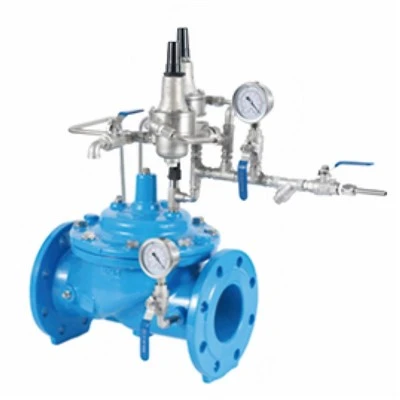
If you’re working on a project right now, whether it’s a residential well, a farm setup, a commercial sump system, or anything else that needs backflow prevention at the bottom of a suction pipe, hit us up. We can walk you through sizing, answer any questions you have, and get you the right valve for the job. No hoops to jump through, no complicated forms, just real advice from someone who actually knows this stuff.
Check Valve At the end of the day, we’re not just selling foot valves—we’re selling peace of mind. You don’t have to stress about your pump draining, about priming every time, about a valve failing at the worst possible moment. Our spring foot valves are built to last, tested for real-world conditions, and priced to fit any budget. So if you’re tired of replacing cheap valves every few months, or you’re starting a new project and want to get it right the first time, reach out. We’re here to help.
References
- "Check Valves: A Practical Guide for Plumbers and Installers." Plumbing-Heating-Cooling Contractors Association (PHCC), 2022.
- "Submersible Pump and Foot Valve Compatibility Standards." International Association of Plumbing and Mechanical Officials (IAPMO), 2021.
- "Spring-Loaded Valve Design for Fluid Handling Systems." Fluid Power Journal, Vol. 45, No. 3, 2020.
Xiamen Uliveto Technology Co., Ltd.
With abundant experience, we are one of the most professional foot valve manufacturers and suppliers in China. We warmly welcome you to wholesale advanced foot valve at competitive price from our factory. If you have any enquiry about OEM&ODM service, please feel free to email us.
Address: 10th Floor, Tower B, SM International Center, Xiamen,Fujian Province, China
E-mail: sales@ulivetoflow.com
WebSite: https://www.ulivetoflow.com/
