Hey everyone, and welcome back to the blog! If you’ve ever been in the market for patio upgrades, you’ve probably stumbled on metal mesh covers before. They’re those sleek, durable screens that sit over your patio—keep leaves, debris, and even small critters out, while still letting air and light flow through. But here’s the thing I get asked about nonstop as a metal mesh cover supplier: “What’s the actual weight capacity of these things?” Because if you’re planning to walk on yours, or have a roof load from snow, rain, or even some storage items up there, you don’t want it caving in mid-barbecue, right? Metal Mesh Cover
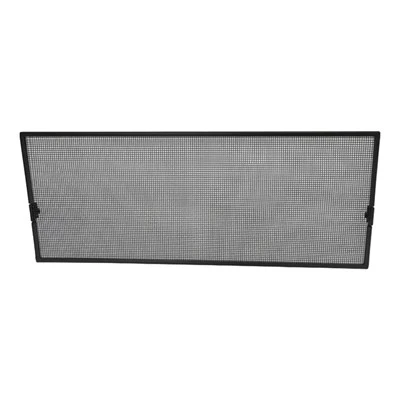
Let me break this down like I would for a regular customer who’s just trying to figure out if their patio’s going to hold up through winter. First off, there’s no one-size-fits-all number here—sorry, I wish it was that simple, but it depends on way more factors than you’d think. I’ve seen covers hold way more than people expect, and some that failed way sooner because someone didn’t check the basics. Let’s start with the main players that determine weight capacity, because that’s the core of this question.
First up, the metal itself. Most of our patio metal mesh covers are either aluminum or steel, right? Aluminum is lighter, cheaper, and super rust-resistant—perfect for areas that get a lot of moisture, like coastal spots or places with frequent rain. Steel is heavier, stronger, but needs a little extra coating to keep from rusting. Now, weight capacity here is non-negotiable: steel mesh is way sturdier than aluminum, all else equal. A 10×10 aluminum cover might hold around 50-80 pounds, while the same size in steel? That jumps to 150-200 pounds, easy. But wait, that’s just the mesh itself—we haven’t even talked about the frame yet, which is half the battle.
The frame is huge. Like, I can’t stress that enough. The mesh is the screen part, but the frame is what holds it all up and attaches to your house or existing patio structure. If you skimp on the frame, even the strongest mesh will sag or break. Frames come in different thicknesses, materials, and designs. For example, a frame made with 2×2 inch steel tubing is way sturdier than a 1×1 inch aluminum frame. Also, how often the frame is supported matters. If you have a 12×16 patio and only two support posts on each side, that’s way less capacity than if you have a support every 4 feet. I had a customer last year who ordered a 14×14 steel mesh cover with only end supports, and tried to load it with 120 pounds of snow in winter—it sagged so bad the mesh started pulling away from the frame. He added two middle supports, and that same cover now holds over 250 pounds, no problem. That’s a perfect example of how frames change everything.
Next, mesh gauge and pattern. Gauge is the thickness of the metal wire used to make the mesh. Lower gauge numbers mean thicker wire—so a 10 gauge mesh is way sturdier than a 16 gauge, for example. The pattern too: plain square mesh is common, but some are woven tighter, or have a reinforced grid every few inches. A tight 10 gauge woven mesh will hold way more than a loose 16 gauge square mesh. I always tell customers that if they think they might need to walk on the cover (say, to clean leaves off the top), go with a gauge no higher than 12, and a reinforced pattern. Walking on a cover is one of the biggest weight loads—your average adult is 150-200 pounds, so if you plan on doing that, you need to make sure all those factors add up.
Then there’s environmental loads, which a lot of people forget about. This isn’t just about static weight—like stacking patio furniture on the cover—but dynamic or seasonal loads, which are often heavier. Snow is the big one. Different areas get different amounts of snow: if you live in Minnesota where you get 3 feet of heavy, wet snow, that’s way more weight than the light, fluffy snow in Colorado. The general rule of thumb for snow load is about 20-50 pounds per square foot, depending on how wet it is. Rain is another one—if your cover doesn’t slope properly (we always build in a 1/4 inch slope per foot for drainage, by the way), water can pool on top. Pooled water adds up fast: a square foot of water is 8.3 pounds per inch, so if you have 3 inches of pooled water, that’s 25 pounds per square foot, no extra items. Wind is also a factor—even if a cover holds weight, high winds can put extra stress on the frame, so it’s not just about static numbers.
Wait, let’s get specific with examples, because numbers help. Let’s take a common 10×12 patio metal mesh cover, which is super popular for backyards. Here’s how the capacities shake out based on the build:
-
Budget aluminum build: 16 gauge mesh, 1×1 inch frame, supports every 6 feet. Total weight capacity: around 60-80 pounds. Good for keeping debris out, maybe a small potted plant on top, but don’t walk on it or plan for more than a light dusting of snow. This is the entry-level option we offer, perfect for people who just want basic coverage without extra weight.
-
Mid-grade aluminum build: 12 gauge mesh, 2×2 inch frame, supports every 4 feet. Total weight capacity: around 120-150 pounds. This is our most popular seller. You can walk on this (with caution, obviously), stack a few patio boxes up there, handle a moderate snow load (1-2 feet of light snow, about 10-20 pounds per square foot), and it’s still rust-resistant. I recommend this for most standard patios that don’t get extreme weather or heavy loads.
-
Heavy-duty steel build: 10 gauge mesh, 2×3 inch reinforced frame, supports every 3 feet. Total weight capacity: 220-280 pounds. This is for people who need extra sturdiness. If you live in a snowy climate, plan on storing large items on the cover, or even use it as a small outdoor sitting area (we’ve had a few customers turn these into tiny rooftop patios), this is the one. It’s a little heavier to install, but way more durable. We coat all our steel covers with a powder finish to prevent rust, so coastal customers can use this too—just make sure it’s properly sealed.
Now, a lot of customers ask, “Can I add more weight by reinforcing the mesh myself?” My answer: maybe, but be careful. If you’re handy, adding extra crossbars to the frame can boost capacity, but messing with the mesh itself—like drilling extra holes or bending it—can weaken it a lot. I had a guy once who tried to add a garden hose hanger to his aluminum mesh cover, drilled a big hole through the mesh, and when snow piled up, that hole turned into a crack that spread all the way across. It’s always better to get a cover built for your specific needs than to modify a standard one.
Also, don’t forget about installation. Even the sturdiest cover won’t hold weight if it’s installed wrong. If you attach it to a flimsy house eave that can’t handle the load, that’s a problem. Or if you don’t tighten the frame bolts enough, vibration from wind can loosen things over time. I always tell customers to check their existing patio structure or house attachment points first—if you’re not sure, we can help you figure that out, or recommend a local installer who knows what they’re doing.
Let’s talk about common mistakes I see customers make. First, assuming all metal mesh covers are the same. A lot of big box stores sell cheap aluminum covers that are way thinner than what we offer, so their capacity is way lower than the numbers I just gave. Always check the gauge of the mesh and the thickness of the frame before buying. Second, underestimating seasonal loads. I saw a customer in Michigan last winter who had a mid-grade aluminum cover, and he had 2.5 feet of wet snow— that’s way over the 150 pound capacity, and the cover collapsed. He ended up buying our heavy-duty steel one the next year, and it held up to 3 feet of snow no problem. Third, walking on the cover without checking. Even a mid-grade cover isn’t designed for constant foot traffic—if you need to get up there to clean leaves, put a sturdy board down to distribute your weight, so you don’t put all your pressure on one spot.
Wait, what if you have a patio that’s already covered, like an existing roof, and you want to add a metal mesh cover on top? That’s a different scenario. The weight capacity there depends on the existing roof, not just the mesh cover. You’d need to have a contractor check how much the roof can hold before adding any extra weight, including the mesh cover itself (which is usually 10-20 pounds per square foot for steel, 5-10 for aluminum). That’s a key point I always bring up—don’t forget to account for the cover’s own weight when calculating total loads.
Now, let’s get to the stuff you actually need to plan for. If you’re ordering a patio metal mesh cover, ask yourself these questions to figure out the right capacity:
- Will I walk on the cover regularly? If yes, go for at least 12 gauge mesh and a reinforced frame.
- How much snow or rain does my area get? If you get heavy, wet snow, go with steel and extra supports.
- Am I planning to store anything on top (like patio furniture, tools, plants)? Add up the total weight of those items, then pick a cover with 20-30 pounds extra capacity to be safe.
- What’s my installation point? Make sure your frame can attach to a sturdy structure.
At the end of the day, there’s no exact, one-size-fits-all number, but as a supplier, my job is to help you pick a cover that fits your specific needs. The worst thing is guessing and ending up with a cover that doesn’t work, or spending more than you need to on something overbuilt for your use.
If you’re in the market for a new patio metal mesh cover, or have questions about what capacity you need for your space, feel free to reach out to our team. We can walk you through the options, based on your patio size, location, and what you plan to use the cover for. No pressure, just straight answers—we’ve been doing this for years, so we’ve worked with all kinds of customers, from first-time homeowners to contractors doing large projects. We can even help you calculate the exact capacity you need, so you don’t have to stress about it.
So to wrap this up: patio metal mesh cover weight capacity ranges from like 50 pounds for a cheap, entry-level aluminum cover up to 300+ pounds for a heavy-duty steel one, but it all depends on the metal type, frame design, mesh gauge, and installation. Don’t skip the small details, because they make all the difference between a cover that lasts years and one that fails when you need it most.

If you’re ready to chat about your next metal mesh cover project, we’re here to help. Just get in touch with our team to discuss your needs.
OA Equipment Sheet Metal Parts References:
- Aluminum Association. (2022). Structural Properties of Aluminum Mesh and Frame Systems for Outdoor Applications.
- Steel Mesh Manufacturers Association. (2021). Load Capacity Guidelines for Heavy-Duty Patio Covers.
- National Weather Service. (2023). Regional Snow Load Estimates for Residential Structures.
- American Institute of Architects. (2020). Outdoor Patio Structure Installation Best Practices.
Suzhou Yehe Precision Stamping Co., Ltd.
With abundant experience, we are one of the most reliable metal mesh cover manufacturers and suppliers in China. We warmly welcome you to buy customized metal mesh cover at competitive price from our factory. If you have any enquiry about quotation, please feel free to email us.
Address: No.5, Beifang Road, Changshu City, Suzhou, Jiangsu Province, China.
E-mail: szyh06@yehejingmi.com
WebSite: https://www.yehe-precision.com/
