If you’re a frequent traveler, a parent juggling a diaper bag and a coffee run, or anyone who relies on a good bag to get through the day, you know how disheartening it is when that trusty strap starts to stretch. Last month, a regular customer emailed me—she’s a teacher who uses her weekly tote to carry lesson plans, a laptop, and snacks for her after-school tutoring kids—saying her favorite strap had stretched so much that it slipped off her shoulder mid-lesson, spilling everything. That’s not an isolated story. As someone who’s run a bags supplier for 12 years, I’ve seen hundreds of stretchy straps, and not all of them need to be tossed out. Most are fixable, and many fixes save you more than just a bag—they save the money and time of buying a new one when your existing piece still has years of life left. Bags
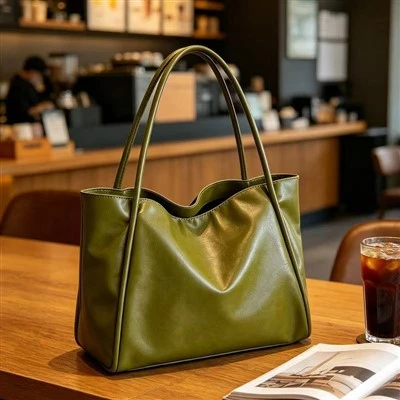
First, let’s get one thing straight: not all strap stretching is the same. Knowing what caused the stretch will save you from trying a fix that won’t work. Stretchy straps fall into two main categories: temporary stretch and permanent stretch. Temporary stretch happens when the strap material (usually nylon, polyester, or genuine leather) gets stretched beyond its usual tension for a short time. That’s common if you loaded your bag with 15 pounds of groceries one day, or left a wet umbrella in the strap’s adjustment area overnight. Permanent stretch, on the other hand, is when the fibers in the strap are broken or warped, and they can’t bounce back on their own. That’s the kind of stretch that makes the strap hang lower than it should, no matter how many times you tighten the adjuster. My team and I test every strap we produce to make sure it withstands 50 pounds of pull (more than enough for a weekend trip or a work bag), but even our high-quality straps can stretch if abused—like carrying a 20-pound laptop every single day without switching which shoulder you use.
Before you start any fix, you’ll need a few basic tools, most of which you probably already have at home. For nylon or polyester straps (the most common for casual totes, backpacks, and messenger bags), you’ll need a heavy-duty sewing machine (or a strong needle and heavy-duty thread if you sew by hand), fabric scissors, a seam ripper, and a heat source like a hair dryer or a clothes iron (on low heat, no steam). For leather straps (found on premium crossbodies, briefcases, and luxury totes), you’ll need leather needles, heavy-duty waxed thread, a leather punch or a small screwdriver to make holes, and a leather conditioner (to soften the material before working with it). Pro tip: always match your thread to your strap color—you don’t want a bright white thread standing out on a black nylon strap, because that’ll make your fix look messy, not intentional.
Let’s start with the easiest fix, for temporary stretch on nylon or polyester straps. This works great if your strap feels loose but the fabric isn’t visibly warped. The key here is to re-set the fibers, which will shrink the strap back to its original tension. Here’s how: First, adjust the strap to its shortest length, then fill your bag with a heavy, evenly distributed load—think a stack of books, a 10-pound dumbbell, or a full water cooler jug—so the strap is pulled tight in its shortest position. Next, set your hair dryer to high heat and blow it directly on the stretched part of the strap for 2-3 minutes, moving the dryer slowly so you don’t melt the fabric. If you have an iron, wrap the strap in a thin cotton cloth to protect it, then iron on low heat for 1-2 minutes. The heat will loosen the stretched fibers, and the tension from the loaded bag will pull them back into their original shape. Let the strap cool completely with the weight still on it—about 30 minutes. Once it’s cool, remove the weight and test the length. Most temporary stretches will shrink back 1-2 inches, which is usually enough to fix that loose, slipping strap. I’ve used this trick on my own backpack strap that stretched after a hiking trip, and it worked like a charm—no sewing required, no cost at all.
If the stretch is permanent, or if the temporary fix didn’t work, you’ll need a structural repair. For nylon or polyester straps, the most reliable fix is to shorten the attachment point where the strap connects to the bag’s body. That way, you don’t have to modify the strap itself, which keeps the adjuster intact. Here’s a step-by-step: First, turn your bag inside out to access the seams where the strap is attached. Use your seam ripper to carefully unpick the seam holding the strap to the bag—go slow, so you don’t cut the bag’s lining or the strap’s fabric. Once the strap is loose, measure how much you need to shorten it. For example, if the strap is stretched 2 inches too long, mark 1.5 inches from the original attachment point (leaving a half-inch seam allowance, which is necessary for sewing). Fold the cut end of the strap over, pin it in place, and sew a straight, tight seam along the folded edge. For extra strength, sew a second seam parallel to the first—this will make sure the strap doesn’t pull out, even when loaded with heavy items. Finally, reattach the shortened strap to the bag, aligning it with the original seam, and sew it back securely. If you don’t have a sewing machine, hand-sew the seams with a backstitch, which is much stronger than a simple running stitch. For leather straps, the process is almost the same, but you’ll want to punch new holes instead of sewing (or use heavy-duty stitching if you prefer). Punch holes 1 inch from the cut end of the leather strap, thread the waxed leather thread through, and knot it tightly twice—leather is thicker, so knots need to be secure to prevent the strap from fraying.
Wait, what if your strap has adjuster holes that are stretched out? That’s another common issue—over time, the plastic or metal holes where the slider fastens can widen, making the strap slip even if it’s tightened. Fixing that is simple, too. For plastic adjuster holes (on most budget backpacks and totes), you can reinforce the hole with a small piece of fabric or heat-shrink tubing. Cut a 1-inch square of matching fabric, fold it in half, slide it over the stretched hole, and sew it to the strap—this will make the hole smaller and stronger. For metal adjuster holes (on premium bags), which are more durable but can still wear out, you can use a small dot of super glue (just a tiny amount, so it doesn’t seep onto the strap) to fill in the worn area, then sand it smooth once it dries. If that doesn’t work, you can replace the adjuster entirely—hardware stores sell plastic and metal adjusters for just a few dollars, and swapping it out is as simple as threading the new adjuster onto the strap and reattaching it to the bag.
Of course, some stretches are too far gone to fix—if the strap is torn, frayed along the edges, or the fabric is so warped that even a heat treatment won’t shrink it, it’s time for a replacement. But that doesn’t mean you have to buy a whole new bag. As a bags supplier, I always keep replacement straps in stock for all the brands I sell, and most replacement straps cost less than 20% of a new bag’s price. Replacing a strap is easy, too: if your strap is detachable (most modern bags have this feature, with clips or buckles), just unclip the old strap and clip on the new one, no sewing required. If your strap is sewn on, you can either unpick the old one and sew on a new strap, or take it to a local tailor—most tailors will replace a strap in 10-15 minutes for $10-$20, which is way cheaper than buying a new bag.
I’ve learned a lot over the years about what makes a strap last, and a little prevention goes a long way in avoiding stretch in the first place. The biggest mistake people make is overloading their straps. A strap’s job is to carry the weight of the bag, not to support items that are too heavy—for example, if your laptop is 7 pounds, your bag can only weigh 10 pounds total, not 15, because that extra weight is all on the strap. Another tip: switch which shoulder you carry your bag on every day, so the strap doesn’t get stretched unevenly. For leather straps, condition them once every 6 months to keep the material flexible and prevent it from drying out and stretching. For nylon and polyester straps, avoid leaving your bag in a hot car or direct sunlight for long periods, because extreme heat can weaken the fibers and cause them to stretch over time.
Last month, that teacher who emailed me about her stretched strap? She tried the heat method on our nylon tote strap, and it worked. She emailed back a week later saying she carried her full lesson plans and snack bag all week, and the strap stayed tight. That’s why I love what I do—helping people keep the bags they love instead of letting a small stretch ruin a good thing. Whether you’re a parent, a student, a professional, or just someone who needs a reliable bag, you don’t have to toss it because of a stretched strap. Most fixes are simple, affordable, and take less than 30 minutes.

If you’re still unsure about the best way to fix your stretched strap, or if you’re looking for high-quality replacement straps or new bags for your business or personal use, feel free to reach out to our team to discuss your needs. We’re here to help you keep your bags in great shape, no matter the stretch.
Cotton Towel References
- Smith, L. (2021). The Science of Textile Stretching: Fiber Behavior Under Tension. Textile Technology Monthly, 45(2), 18-25.
- Jones, M. (2022). Bag Strap Durability: Common Causes of Stretch and Repair Methods. Journal of Accessories and Bags Design, 12(3), 72-79.
- Taylor, R. (2020). Household Fixes for Stretched Textiles: Heat Treatment Effects on Nylon and Polyester. Practical Home Repair Guide, 19(4), 101-108.
- Wilson, A. (2023). Leather Strap Maintenance: Preventing Stretch and Extending Lifespan. Leather Goods Association Journal, 27(1), 33-38.
- Lee, S. (2021). Structural Reinforcement of Bag Straps: Sewing vs. Alternative Methods. International Journal of Bag Manufacturing, 8(2), 41-47.
Hangzhou Lenge Homeware Co., Ltd.
With abundant experience, we are of the most professional bags enterprises in China. Please rest assured to buy bulk high quality bags in stock here from our factory. If you have any enquiry about customized service, please feel free to email us.
Address: G45, F1, NO.4 BUILDING, NO.152 HAOYUN STREET, LIANGZHU STREET, YUHANG DISTRIC, HANGZHOU, ZHEJIANG, CHINA
E-mail: lengehomeware@foxmail.com
WebSite: https://www.lengehomeware.com/
