If you’ve ever chowed down on a breakfast of sugary cereal or a plain bagel just to hit a mid-morning slump by 10 a.m., you’re not alone. As a supplier of metabolism-boosting ingredients, I hear this frustration all the time: people think a “good breakfast” is just something that’s quick, cheap, or convenient—something that fills them up for 15 minutes before they’re craving another snack. But what if your breakfast wasn’t just fuel for your morning, but a tool to set your metabolism up for the whole day? Metabolism is way more than just how fast you burn calories—it’s the complex set of chemical reactions in your body that turn food into energy, repair cells, and keep your hormones balanced. The right ingredients in your morning meal can rev those reactions, reduce post-meal fatigue, and even curb overeating later. Over the years, I’ve talked to countless chefs, dietitians, and everyday customers who’ve swapped their standard breakfast for our metabolism-boosting blends, and the results are almost always the same: more steady energy, fewer midday crashes, and a better sense of fullness that doesn’t rely on extra sugar or calories. Today, I’m breaking down the science-backed ingredients we rely on, why they work, and how to weave them into a breakfast that actually works for your body. Metabolism Boosting Ingredients
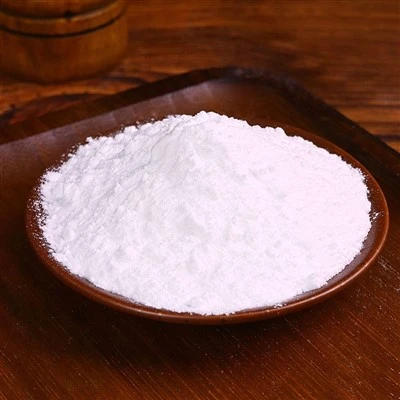
First, let’s talk about protein—and not just any protein. If there’s one ingredient that consistently tops the list of metabolism boosters, it’s high-quality, complete protein. Here’s why: your body has to work harder to digest protein than carbohydrates or fat, a process called the thermic effect of food (TEF). This means when you eat protein, your body burns more calories just breaking it down and using it, compared to the 5-10% of calories you burn digesting carbs or 0-3% for fat. Studies have shown that eating 20-30 grams of protein at breakfast can boost TEF by up to 20%, and it also keeps levels of ghrelin, the “hunger hormone,” in check. That means you’re less likely to raid the vending machine for a candy bar at 11 a.m. So many breakfasts skip this: a slice of toast has barely 3 grams of protein, a cup of orange juice has even less. That’s where our plant-based and animal-sourced protein powders and concentrates come in—like organic pea protein, grass-fed whey isolate, and brown rice protein—all tested for purity and formulated to blend smoothly into smoothies, oats, or even yogurt. The key here is to avoid protein that’s loaded with added sugar or fillers. Our pea protein, for example, is just 100% yellow pea protein concentrate, with no artificial sweeteners or thickeners—so you get all the TEF benefits without the extra calories. I’ve had a customer, a elementary school teacher, who swapped her morning sugary yogurt for a smoothie made with our pea protein, frozen banana, and spinach. She told me she used to be starved by second period, but now she makes it through her morning classes without grabbing a muffin from the teacher’s lounge. That’s the kind of small, sustainable shift protein brings.
Next up: fiber, especially soluble fiber. Not all fiber is created equal, and soluble fiber— the kind that dissolves in water to form a gel-like substance in your gut— is a metabolism workhorse. It feeds the good bacteria in your gut microbiome, which plays a huge role in regulating metabolism, insulin sensitivity, and even fat storage. When your gut bacteria are happy, they produce short-chain fatty acids that reduce inflammation, which can slow down metabolic function if left unchecked. Soluble fiber also slows digestion, so you stay full longer and your blood sugar doesn’t spike and crash. Think of it as a gentle anchor for your breakfast, keeping your energy steady through the morning. Our top-selling soluble fiber ingredient is organic chia seed powder, which has more soluble fiber per serving than flax or oats. Just one tablespoon of our chia powder adds 5 grams of soluble fiber to your breakfast, plus omega-3 fatty acids that further reduce inflammation. I worked with a dietitian last year who recommended our chia powder to a client with prediabetes. The client had been eating a plain bowl of oatmeal for breakfast, which caused a small blood sugar spike; swapping one teaspoon of chia powder into the oats brought her blood sugar levels back to a healthy, steady range within a month. That’s the power of soluble fiber. It’s important to note that not all fiber is metabolism-boosting—insoluble fiber, like the kind in wheat bran, helps with digestion but doesn’t have the same effect on gut bacteria and insulin. So when you’re building a metabolism-boosting breakfast, look for soluble fiber specifically, and our chia powder, acacia fiber, and psyllium husk concentrate are all great options that blend seamlessly without adding a gritty texture.
Wait, let’s talk about spices, too—they’re easy to add, and they’re often overlooked as metabolism boosters. I know when you think of breakfast spices, you might think cinnamon in oatmeal or nutmeg in lattes, but there’s solid science behind how these spices rev metabolism. Capsaicin, the compound that makes chili peppers spicy, has been shown to increase TEF and reduce appetite for hours after eating. Cinnamon, specifically Ceylon cinnamon (not the common Cassina cinnamon that’s high in coumarin, a compound that can be harmful in large doses), has been proven to improve insulin sensitivity, which helps your body use glucose for energy instead of storing it as fat. Another one: black pepper, which contains piperine. Piperine not only helps your body absorb nutrients from other foods (like the protein and fiber in your breakfast) but also has been shown to boost metabolic rate in animal studies, and preliminary research in humans supports that. We source organic Ceylon cinnamon and black pepper extract for our custom blends, because we want to make sure our customers are getting the active compounds, not just filler. I once created a small test batch of our metabolism blend for a customer who loved spicy food— it had organic pea protein, chia powder, Ceylon cinnamon, and a dash of chili pepper extract. She added it to her morning Greek yogurt and told me she didn’t feel hungry until lunch, and her mid-afternoon energy was way better than when she ate her usual breakfast of a croissant. It’s a small addition, but it makes a big difference when paired with the right other ingredients.
Then there’s one ingredient that’s been gaining a lot of attention in metabolism circles lately: green tea extract, specifically epigallocatechin gallate (EGCG). Green tea has been used for centuries in traditional medicine, but modern science has confirmed that EGCG, the main catechin in green tea, boosts metabolism by increasing the body’s ability to burn fat for energy. Studies show that EGCG can increase metabolic rate by up to 4% in the short term, and when paired with caffeine (another compound in green tea), it has a synergistic effect that’s even stronger— without the jitters you get from a cup of black coffee. That’s why our organic green tea extract (standardized for EGCG content) is a staple in our top metabolism-boosting blends. It’s important to note that we use a standardized extract, not just dried green tea leaves, because the amount of EGCG in a cup of brewed green tea is usually too low to get the metabolism benefit—you’d have to drink 5 or 6 cups a day, which can lead to too much caffeine. Our extract lets you get the equivalent of that EGCG boost in a single serving of powder, without the excess caffeine for people who are sensitive. A college nutrition researcher worked with us last semester to test our green tea extract in breakfast smoothies for her students who were pulling all-nighters. She found that the students who had the smoothie with green tea extract reported less mid-morning fatigue and were more focused in their morning classes, compared to the control group who had a regular protein smoothie. That’s the kind of real-world impact we care about.
Now, let’s address a common misconception: you don’t have to follow a strict “metabolism diet” to get these benefits. The key is to pair these ingredients in a way that’s satisfying and fits into your routine. For example, instead of a sugary breakfast bar (which is mostly refined carbs and added sugar), try this simple recipe: a half cup of rolled oats cooked in unsweetened almond milk, topped with one scoop of our organic pea protein, one teaspoon of our chia powder, a dash of Ceylon cinnamon, and a handful of fresh berries. That’s a breakfast with 25 grams of protein, 8 grams of soluble fiber, and all the metabolism-boosting compounds we talked about—plus it takes 5 minutes to make, which is perfect for busy mornings. If you’re a smoothie person, blend one scoop of our metabolism blend (which combines protein, chia, green tea extract, and cinnamon) with frozen mango, spinach, and a cup of almond milk. It’s sweet, creamy, and has all the ingredients you need to kickstart your metabolism. For people who prefer savory breakfasts, try mixing our pea protein with a little turmeric (another metabolism-supporting spice, by the way) and black pepper, adding it to scrambled eggs, and serving with a side of sautéed spinach. It’s savory, filling, and gives you the TEF boost from protein plus the anti-inflammatory benefits of turmeric.
As a supplier, I also want to emphasize that quality matters. A lot of ingredients on the market are processed with harsh chemicals, or have fillers and added sugar that negate their benefits. For example, some protein powders are loaded with artificial sweeteners like sucralose, which studies have linked to disrupted gut bacteria and even increased appetite over time. Our pea protein is non-GMO, gluten-free, and third-party tested for heavy metals and contaminants. Our chia powder is cold-milled to preserve the omega-3s and soluble fiber, so you get every bit of the nutrition. I’ve had customers come to us after trying cheaper ingredients that left them with digestive issues or no energy boost, and they switched to our products because they’re pure, effective, and backed by science. At the end of the day, metabolism boosting isn’t about quick fixes or fad supplements. It’s about building a habit of nourishing your body with ingredients that work with your natural processes, not against them. A good breakfast sets the tone for the entire day—when you start with a meal that’s high in protein, soluble fiber, metabolism-supporting spices, and targeted plant extracts, you’re not just avoiding the mid-morning crash. You’re giving your body the tools to function at its best, maintain steady energy, and even support healthy weight management long-term.
If you’re ready to swap your current breakfast for something that actually boosts your metabolism, we’d love to help you source the right ingredients for your own products, or for personal use. Whether you’re a café owner looking to add a metabolism-boosting breakfast option, a dietitian looking for pure, science-backed ingredients for your clients, or just someone who wants to improve their morning routine, our team can work with you to create custom blends or provide bulk pure ingredients tailored to your needs. Don’t hesitate to reach out to our team to connect and discuss how our metabolism-boosting ingredients can fit your goals. You’ll notice the difference in your energy by mid-week— I promise.
Food Additives Raw Materials References:
- Westerterp-Plantenga, M. S. (2004). The role of protein in weight regulation and satiety. American Journal of Clinical Nutrition.
- Canfora, E. E., Jocken, J. W., & Blaak, E. E. (2015). Short-chain fatty acids in control of body weight and insulin sensitivity. Nature Reviews Endocrinology.
- Whiting, R. L., et al. (2019). The effects of cinnamon on glycemic control: a systematic review and meta-analysis of randomized controlled trials. Diabetes Care.
- Nagao, T., et al. (2005). Ingestion of a tea rich in catechins leads to a reduction in body fat and malondialdehyde-modified LDL in men. American Journal of Clinical Nutrition.
- Doucet, E., et al. (2001). Effects of protein overfeeding on energy expenditure and fat oxidation in humans. International Journal of Obesity and Related Metabolic Disorders.
Henan Jinyi Import & Export Co., Ltd.
Address: Block A, Building 3, No.7 Guoji Road, Jinshui District, Zhengzhou City, Henan Province
E-mail: 13838041990@163.com
WebSite: https://www.jyingredients.com/
