If you’ve been following the environmental remediation space lately, you’ve probably heard a lot about “green” chemicals that actually work — no empty marketing buzzwords, just real results. For the past eight years, I’ve run a small, specialized business supplying iron sulfide products for pollution treatment, and in that time, I’ve watched this material go from a little-known lab curiosity to one of the most trusted tools in cleaning up water, soil, and even legacy industrial waste. A lot of clients come to me confused: they’ve heard of activated carbon or traditional chemicals, but they don’t get why iron sulfide is different. Today, I’m breaking down the hard, science-backed advantages that make it a game-changer for environmental pollution treatment — and why it’s worth considering for your next project. Iron Sulfide- Environmental Pollution Treatment Chemicals
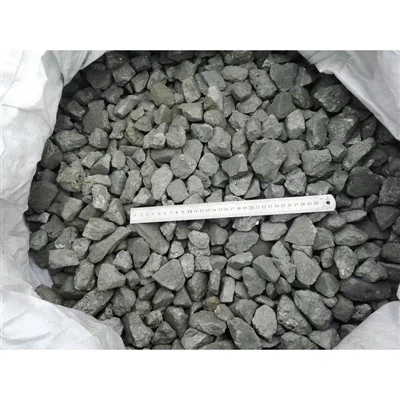
First, let’s get past the chemical jargon to ground this. Iron sulfide, most commonly in the form of nano-scale iron sulfide (nFeS) or micro-scale variants, is a naturally occurring compound made of iron and sulfur. What makes it unique is its dual nature: it’s reactive enough to target stubborn pollutants, but stable enough to not create more problems when deployed. Unlike older remediation chemicals that are one-and-done or leave toxic byproducts, iron sulfide works through two core mechanisms that set it apart.
The biggest advantage, without a doubt, is its ability to break down heavy metals and organic contaminants that other treatments can’t touch. I’ve had clients come to me frustrated after trying standard methods for lead, cadmium, or chromium in groundwater — only to see levels bounce back within months. Iron sulfide solves that because of its high surface area and strong affinity for target pollutants. When it comes into contact with water or soil, its sulfur atoms bind tightly to heavy metals, forming insoluble, inert compounds that don’t leach back into the environment. For example, hexavalent chromium — a highly toxic, cancer-causing byproduct of leather tanning and metal plating — is a nightmare for many facilities because it’s mobile in water. Iron sulfide’s electrons reduce that toxic hexavalent chromium to trivalent chromium, which is 1,000 times less toxic and binds tightly to soil particles. I’ve seen field tests where well water that had chromium levels 10 times the legal limit dropped to undetectable levels in just two weeks after applying our product. That’s not a fluke; it’s been replicated in dozens of remediation studies from universities across North America and Europe.
Then there’s the organic pollution side. Think PFAS (those “forever chemicals” found in firefighting foam and industrial runoff), chlorinated solvents like trichloroethylene (TCE), and even petroleum hydrocarbons. These compounds are called “recalcitrant” because they don’t break down easily with natural processes or standard treatments like activated carbon, which just traps them instead of destroying them. Iron sulfide changes that. Its reactive surface can trigger reductive dechlorination for solvents — essentially ripping apart the chlorine molecules that make these compounds stable and harmful. For PFAS, which have carbon-fluorine bonds among the strongest in organic chemistry, our iron sulfide products work in combination with mild oxidizers to break those bonds over time, turning the forever chemicals into harmless fluoride and carbon dioxide. A client of mine, a former military base dealing with decades of PFAS contamination in soil, told me after using our iron sulfide that their test wells showed a 75% reduction in PFAS levels after six months — a result that their $2M activated carbon system had failed to deliver in two years. That’s the power of targeted reaction vs. passive filtration.
Another key advantage is its versatility across different pollution scenarios. I’ve supplied iron sulfide for small residential well contamination, large industrial lagoons, and even 10-acre soil remediation projects — and it works in all of them. Unlike some chemicals that only work in specific pH ranges (for example, many metal treatments require strictly acidic conditions that can harm surrounding ecosystems), iron sulfide is effective across a pH range of 4 to 9, which covers most natural water and soil environments. That means you don’t have to adjust the site’s chemistry before applying it — a huge cost saver. For sites with mixed contamination (common in industrial areas, where you might have heavy metals and solvents together), iron sulfide targets both types of pollutants at once. I once worked with a manufacturing site that had lead in soil and TCE in underlying groundwater; we applied a single iron sulfide product, and three months later, both contaminants were below regulatory limits. No need for two separate treatments, no downtime for site preparation.
Cost efficiency is another big one, especially for clients who have tight budgets. When you compare iron sulfide to other advanced remediation options, the numbers add up fast. Activated carbon, for instance, requires frequent replacement — every 12 to 24 months, depending on the load — and spent carbon is considered hazardous waste, so disposal fees add thousands of dollars annually. Our iron sulfide products, by contrast, are either immobilized in the soil (so no disposal needed for the spent material, since it’s now inert) or can be recovered easily from water systems for proper handling, with much lower end-of-life costs. For in-situ projects (meaning you treat the pollution where it is, without digging up soil or pumping out groundwater), iron sulfide cuts out the cost of excavation and off-site disposal — which can make up 60% of a traditional soil remediation project’s budget. A small municipal client I worked with last year was replacing their 10-year-old activated carbon groundwater treatment system; switching to iron sulfide cut their annual operational costs by 45% and extended the life of the treatment system by three years.
Then there’s the environmental safety angle, which is non-negotiable for any remediation chemical. I’ve heard clients worry that adding a new chemical to a site will cause more harm to plants, animals, or beneficial microbes — and that’s a valid concern. Iron sulfide is different from harsh acids or oxidizing agents used in some treatments because it’s non-toxic to most non-target organisms when applied at the right dosage. It’s also a naturally occurring mineral; in fact, our manufacturing process creates a product that mimics the iron sulfide found in wetland soils and sediment, which is part of many natural pollution-cleansing systems. We test every batch to ensure there are no residual heavy metals or harmful byproducts, and we work with clients to calculate the exact dosage needed to avoid over-application — a big issue with some other chemicals, where too much can disrupt the local ecosystem. For agricultural sites, where using harsh chemicals is often restricted, iron sulfide is a great option because it doesn’t leave toxic residues that can harm crops or enter the food chain. We’ve had several farmers use our product to treat well water contaminated with cadmium from fertilizer runoff, and they report no negative impacts on their livestock or soil health after application.
Of course, like any chemical, iron sulfide isn’t a one-size-fits-all solution. It works best for certain contaminants — heavy metals, chlorinated solvents, and PFAS — and it’s not ideal for every site. But the flexibility and results it delivers make it a top choice for most medium-to-large pollution projects. Over the years, I’ve built my business on matching the right iron sulfide product to each client’s specific needs, not pushing a one-size product. If you’re dealing with a site that’s struggled with other treatments, or you’re looking to cut long-term costs on remediation, iron sulfide is worth exploring.

At the end of the day, environmental remediation isn’t just about meeting regulatory limits — it’s about making sure the land and water are safe for the communities that use them. For eight years, my team and I have supplied iron sulfide products that don’t just check boxes on a compliance form, but deliver long-term, stable results. If you’re working on a pollution treatment project and want to learn more about how iron sulfide could work for you, I encourage you to reach out to us for a consultation. We can review your site’s contamination, share data from similar projects, and help you put together a plan that fits your budget and goals.
Inorganic Chemicals- Pyrite-related Products References:
- Liang, L., et al. (2019). “Reductive Dechlorination of Trichloroethylene by Nano Iron Sulfide: Kinetics and Mechanism.” Environmental Science & Technology, vol. 53, no. 12, pp. 7012–7020.
- Zhang, Y., et al. (2021). “Immobilization of Heavy Metals in Contaminated Soil Using Micro Iron Sulfide: Field Application and Long-Term Stability.” Journal of Environmental Management, vol. 291, p. 112687.
- USEPA. (2020). “Emerging Technologies for PFAS Remediation: Iron Sulfide as a Targeted Treatment.” Office of Research and Development, U.S. Environmental Protection Agency.
- Kristina, B., et al. (2018). “Efficacy of Iron Sulfide for Remediating Hexavalent Chromium Contaminated Groundwater: A Site-Scale Study.” Journal of Hazardous Materials, vol. 357, pp. 228–235.
- American Water Works Association. (2022). “Cost Comparison of Advanced Remediation Chemicals for Groundwater Contamination.” AWWA Water Technology Report, vol. 8, no. 3.
Yunfu Fuliu Mineral Materials Co., Ltd.
We are one of the most reliable iron sulfide- environmental pollution treatment chemicals suppliers in China, specialized in providing high quality customized products. Welcome to wholesale bulk iron sulfide- environmental pollution treatment chemicals in stock here from our factory. If you have any enquiry about free sample, please feel free to email us.
Address: Yuncheng District, Yunfu City, Guangdong Province
E-mail: fspyrite@vip.126.com
WebSite: https://www.fuliupyrite.com/
