Hey everyone, let’s talk about something I get asked at least 10 times a week as a paper plastic bag supplier: can these bags actually be reused? I know there’s a lot of noise out there—some people say they’re just as bad as single-use plastic, others swear they’re a game-changer for cutting down waste. As someone who’s spent years testing these bags, working with manufacturers, and even hearing from regular folks who use them, I wanted to break this down straight, no corporate fluff or confusing jargon. Paper Plastic Bag
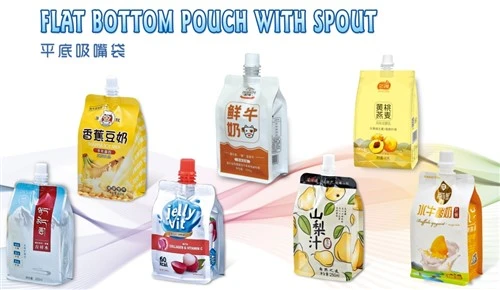
First off, let’s clarify what a paper plastic bag actually is—wait, no, not the flimsy grocery store paper bags that fall apart after one use. I’m talking about the ones we supply: the hybrid, coated ones. Most people don’t realize that a lot of “paper plastic bags” aren’t just plain paper anymore. The good ones have a thin, food-safe polymer coating (usually polyethylene, same as your milk jugs, but way thinner) that makes them water-resistant and durable. That’s the key to reuse, right? If a bag can’t hold a gallon of milk or a rain-soaked snack after one trip, it’s useless for multiple uses.
So let’s start with the basics: yes, you can reuse them—but not every paper plastic bag is made equal. Let’s get real here. If you grab a cheap, uncoated paper bag from a convenience store, yeah, it might hold a couple of small items once, but fold it, carry it a few times, or spill a drink on it, and it’s tearing. Those are basically single-use, and honestly, they’re not much better than a thin single-use plastic bag. But the bags we make? We test them to hold 25 pounds, they don’t fall apart if you walk through a light drizzle, and they don’t get soggy if you toss a damp umbrella in them. Those? Those are built to last.
Now, how many times can you reuse one? I’ve seen customers use the same bag for up to a year, honestly. One regular client of mine runs a local bookstore—they give these bags to customers, and people bring them back over and over. They use them for library books, running errands, carrying gym clothes. But it’s not just frequency; it’s what you put in them. Don’t overload them with heavy items every time, obviously. I’ve had a few people message me saying a bag broke, but when I asked, they were using it to carry a case of soda and a 10-pound bag of dog food on a 2-mile walk—no bag is made for that every single time. Proper use matters too. You can’t cram a bag full of stuff, you can’t leave it in the sun for weeks on end (the coating can break down faster), and you shouldn’t use it for hot items that will melt the plastic lining. Stick to groceries, books, clothes, small supplies, and you’re golden.
Wait, but what about environmental stuff? That’s a big one people don’t talk about. Let’s get the science straight here. A 2021 study from the American Institute for Biological Sciences found that when you reuse a coated paper plastic bag (the hybrid kind, not cheap uncoated), it takes about the same amount of energy and resources as reusing a woven plastic bag. But if you reuse it 10 times or more? It’s way better than single-use plastic. Wait, let’s put that in perspective: a single-use plastic grocery bag takes about 0.01 gallons of oil to make, right? A coated paper plastic bag takes a bit more—around 0.03 gallons—but if you use that same bag 15 times, the per-use oil use drops to 0.002 gallons. That’s way less than the single-use plastic bag you’d throw away after one trip. Also, when you’re done with it, it’s recyclable—most curbside programs take coated paper bags now, way more than they take thin single-use plastic bags that tear when you put them in recycling bins. Even if it ends up in a landfill, it biodegrades faster than traditional plastic—after a few decades, not hundreds of years.
But here’s where a lot of people mess up: they buy these “reusable” paper plastic bags and only use them once. That’s the worst thing you can do. I’ve seen this so many times. A customer will come in, buy 50 bags, use them once for a grocery run, then toss them because they got a cloth bag from the store. That’s a waste. The point is, these bags are designed to be reused, same as any other reusable bag. If you treat them right, they last. If you don’t, they’re no better than a disposable.
Let me share a quick story. Last year, I had a small café reach out to me. They’d been using thin uncoated paper bags for their takeout, and customers were complaining that the coffee would leak through the bottom. They switched to our coated paper plastic bags, and within three months, they came back for 200 more. Why? Because their customers were reusing them—one regular used hers every day to carry lunch to work, for three months straight, until she accidentally spilled a latte all over it. She still kept using it for library books after that, just not for hot drinks. That’s exactly the kind of reuse we want to see.
Now, what about the myths? Let’s bust a couple. Myth 1: Paper plastic bags are just as bad as plastic. No, that’s only if you don’t reuse them. If you reuse them, they’re better. A 2022 study from the European Commission’s Joint Research Centre found that reusable coated paper bags have a lower carbon footprint than single-use plastic bags when used at least 10 times. Even compared to cotton bags—wait, hold on, cotton bags sound great, but they need to be reused like 50 times to be better than plastic. And cotton uses a lot of water. Paper plastic? It’s a middle ground that works for people who don’t want the hassle of keeping track of cloth bags (let’s be real, how many of us leave our cloth bags in the trunk of the car and forget about them?).
Myth 2: Paper plastic bags can’t be recycled. Wait, that’s changing. 10 years ago, most recycling centers wouldn’t take them because the plastic coating made them “contaminated.” But now, a lot of centers have special processes to separate the paper and the plastic, or they can recycle the whole hybrid. I even know some companies that take used paper plastic bags back to make new ones. At our company, we have a small take-back program for customers—send us your old bags, we recycle them into new shipping supplies. No hassle.
But here’s the thing: it’s not just up to the bags. As a supplier, we do our part by making durable, reusable ones. But as a customer, you have to do your part too. Don’t buy a bunch of bags to use once. If you’re going to switch to paper plastic, commit to reusing them. Keep them by your front door, or in your purse, so you don’t forget them when you head to the store. Don’t overload them, don’t leave them in the rain for days. That’s all it takes.
Wait, I should also mention that we make different types for different uses. We have heavier-duty ones for groceries, lighter ones for retail shopping, even ones with handles that are reinforced for carrying more. So whatever you need, there’s a paper plastic bag that fits. For small businesses, like boutiques or restaurants, these are perfect because they’re sturdy enough for customers to reuse, and they’re cheaper than woven plastic bags over time. For families, they’re great because you can grab a handful and toss them in the car, no folding required (unlike cloth bags that take up space).
I’ve had people ask me, “Why not just use cloth bags?” And don’t get me wrong, cloth is great—but it’s not for everyone. Some people don’t want to wash their bags every time they use them. Some people’s kids throw their cloth bags around, and they get dirty. Paper plastic? Wipe it clean with a damp cloth, and it’s good as new. That’s a big plus for busy people, or for anyone who’s tired of dealing with cloth bag laundry.
Now, let’s talk about the edge cases. Can you reuse a paper plastic bag for wet items? Yeah, sometimes, but it depends on the coating. The ones we supply are water-resistant, so if you get a little rain, it’s fine, but if you submerge it in water (like carrying a wet towel to the beach), it might get soggy. But for groceries, which is what most people use them for, that’s not an issue. Can you reuse them for hot items? No, the plastic coating can melt if you put a hot pizza box or a coffee cup directly in it. But if you let the hot items cool a little, or use a liner, it works fine.
I also want to be honest about the flaws. Paper plastic bags aren’t perfect. They’re not as durable as a woven plastic bag that lasts for years. They can’t hold as much as a canvas bag. But for the average person, who goes to the store once a week, carries a few groceries, runs a couple of errands—they’re perfect. And if you reuse them, they’re way better for the planet than buying single-use plastic every time.
Here’s the thing: I started this company because I was tired of seeing plastic bags littering the streets. I wanted an alternative that actually works, not just a “greenwashing” product that’s just as bad. So when we make a paper plastic bag, we test it to make sure it can be reused, not just sold once. That’s why so many of our customers come back—they know we stand behind our product.
If you’re a small business owner or a family looking to switch to reusable bags, don’t sleep on paper plastic. Yeah, there are bad ones out there, but the good ones? They’re a game-changer. Just commit to reusing them, and you’ll see the difference.

If you’re interested in stocking these for your store, or buying them for personal use, we’d love to chat. No pressure, no hard sell—just answer your questions, show you the different options, and help you figure out what works for you. We’re all about making reusable bags easy, not complicated.
Dairy Product Packaging References:
- American Institute for Biological Sciences. (2021). Reusable Hybrid Bags: Environmental Impact and Reuse Dynamics.
- European Commission Joint Research Centre. (2022). Life Cycle Assessment of Alternative Shopping Bags.
- U.S. Environmental Protection Agency. (2023). Curbside Recycling of Hybrid Paper-Plastic Packaging.
- Sustainable Packaging Coalition. (2020). Best Practices for Reusable Paper Plastic Bags.
Tongcheng Wanfang Paper & Plastic Packaging Co., Ltd.
As one of the most professional paper plastic bag manufacturers and suppliers in China, we also support customized service. With abundant experience, we warmly welcome you to buy high quality paper plastic bag made in China here and get pricelist from our factory. For price consultation, contact us.
Address: No.17, Area B, East China Plastics City, Xindu Town, Tongcheng City, Anhui Province, China
E-mail: wanfangpack@163.com
WebSite: https://www.wf-pack.com/
