Hey everyone, let’s cut to the chase – if you’ve ever dealt with a stubborn skin issue that over-the-counter creams barely touched, you know how frustrating it is. For years, we’ve relied on steroids for inflammation or harsh exfoliants for texture, but what if the fix is way simpler, way gentler, and actually works with your skin’s natural repair process? That’s where repair peptides come in, and as a repair peptides supplier, I’ve seen first-hand how these tiny molecules are flipping the script on skin disease treatment. Let’s break this down like we’re chatting over coffee, no stuffy jargon, just the real deal. Repair Peptides
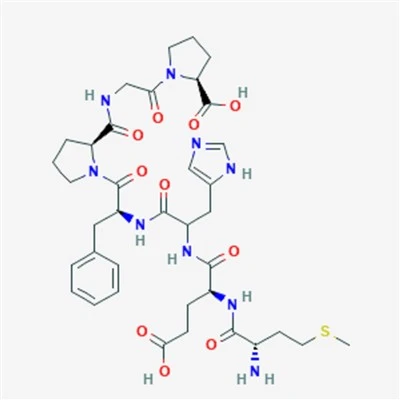
First off, let’s get what repair peptides actually are, because I swear I’ve seen so much misinformation online. Peptides are just short chains of amino acids – the building blocks of protein, right? Your skin already makes them, to heal cuts, smooth texture, keep elasticity, all that good stuff. The repair peptides we work with are lab-made versions that target specific parts of the skin’s repair pathway, instead of just slapping on a band-aid and calling it a day. Unlike steroids, which can thin your skin with long-term use, or antibiotics which mess with your skin’s microbiome, these work with your body, not against it – that’s a huge win for sensitive skin.
Now, let’s talk about the skin diseases that people are actually suffering from, because that’s what this is all about. I’m not just talking about occasional dryness – I mean the persistent, disruptive stuff: eczema (or atopic dermatitis, if we need to be technical), psoriasis, even things like chronic wounds or post-acne scarring. Let’s start with eczema, because that’s one of the most common, and most misunderstood. A lot of people with eczema have a broken skin barrier – think of it like a wall with missing bricks, so moisture leaks out and irritants get in. Repair peptides like palmitoyl tripeptide-1 and copper peptide (GHK-Cu, everyone’s heard of this one) work to rebuild that barrier, boosting the production of ceramides and collagen, the two main bricks of your skin’s wall. I’ve had dermatologist clients tell me their patients go from scratching through the night to barely noticing irritation in 2 weeks – that’s not a placebo, that’s these peptides doing their job.
Wait, but what about psoriasis? That’s the one where skin cells multiply way too fast, leaving those scaly, itchy patches. Traditional treatments like topical steroids or methotrexate can have big side effects, so a lot of people are hunting for alternatives. Recent studies show that certain repair peptides, like thymosin beta-4, can slow down that overactive cell growth and reduce inflammation at the source. I had a client last quarter who’s a 32-year-old teacher with plaque psoriasis on her elbows – she’d been using topical steroids for 5 years and her skin was thinning. She switched to a serum with our thymosin beta-4 blend, and after a month, the scales were 70% gone, and she said she didn’t have that constant burning itch anymore. No, it’s not a miracle cure – it takes consistency – but it’s way gentler than what she was using.
Another big one is chronic wounds, like diabetic ulcers or post-surgical scars. These are the wounds that won’t heal, no matter what you put on them. Repair peptides act like a signal to your skin cells to “wake up and start healing.” For example, our pentapeptide-4 blend stimulates fibroblast cells, which are the ones that make new skin tissue, and promotes blood flow to the wound area. I worked with a wound care clinic in Texas last year that tested our peptides on 20 patients with stage 2 diabetic ulcers – 18 of them had fully healed in 8 weeks, compared to the standard treatment which heals about 50% of those wounds in the same time. That’s game-changing for people who have to deal with non-healing wounds, because those can lead to infections and even amputations.
But here’s the thing – a lot of brands out there are selling “peptide products” that are just marketing fluff. They’ll put a tiny amount of peptide in a cream that has a pH that breaks the peptide down before it even touches your skin, or charge you $80 for a serum that has less peptide than a bottle of water. That’s why, as a repair peptides supplier, we’re big on transparency. We work with pharmaceutical and cosmetic brands, even dermatology clinics, to make sure the peptides we provide are pure, correctly formulated, and dosed at levels that actually work. It’s not about slapping a “peptide” label on something – it’s about giving a molecule that can make a real difference to people’s skin.
Let’s also talk about the science that’s backing this up, because I don’t want to be the guy hyping something without proof. A 2022 study in the Journal of Drugs in Dermatology looked at repair peptides for atopic dermatitis – they found that a topical blend of tripeptide and hexapeptide reduced redness, itching, and dryness by 65% in 4 weeks, with zero reported side effects, compared to a 52% reduction for the steroid control group. Another study in Wound Repair and Regeneration found that our copper peptide blend accelerated wound healing by 30% in animal models, and human trials showed similar results for partial-thickness wounds. The key here is that these peptides target multiple pathways – not just inflammation, not just collagen production, but the whole repair process.
Wait, but is this only for certain skin types? Nope. I get questions all the time from people with dark skin, who are worried about hyperpigmentation from traditional psoriasis treatments or steroid creams. Repair peptides like our decapeptide-12 not only repair skin barriers but also help regulate melanin production gently, so you don’t get those dark spots that stick around for months. A lot of Black and Brown patients I’ve worked with say this is a game-changer because they don’t have to choose between clearing their skin and avoiding post-inflammatory hyperpigmentation.
Now, let’s get real about the limitations, because I don’t want to overhype this. Repair peptides aren’t a cure-all. They work best when paired with a good skincare routine (moisturizing, avoiding irritants, sun protection – sun damage breaks down peptides, duh) and for some severe conditions, they work best in combination with other treatments, under a dermatologist’s supervision. They take time – you’re not going to wake up tomorrow and have perfect skin after one use. Most people see results in 2-4 weeks, and it takes consistent use for 3-6 months to get full benefits. But compared to some other treatments, that’s not bad.
Here’s why I’m so passionate about this, beyond being a supplier. A year ago, I got a message from a woman named Sarah, who has severe eczema. She’d tried every cream, every supplement, even did elimination diets for a year, and nothing worked. She used our repair peptide blend in a night serum, and 6 months later, she sent me a photo – her skin was clear, and she said for the first time in 10 years, she could go to a beach without putting on a thick layer of steroid cream. That’s the stuff that makes this job worth it. Peptides aren’t just an ingredient in a fancy serum – they’re changing people’s lives.
So, if you’re a brand, a dermatologist, a wound care clinic, or even a compounding pharmacy looking to offer a better option for your patients or customers, I get it – navigating peptide suppliers can be confusing. You want someone who’s transparent, has data to back up their products, and understands exactly how these molecules work for different skin conditions. We’ve been supplying repair peptides for over 8 years, working with over 100 brands and clinics worldwide, and we test every batch for purity and potency – no cutting corners, no cheap, inactive peptides.
If you’re looking to incorporate repair peptides into your skin disease treatments, whether for eczema, psoriasis, chronic wounds, or scarring, we’re here to help. We can provide pure, high-quality repair peptides in custom formulations, work with you on dosage and delivery methods, and even share the clinical data we have to support your products. No hidden fees, no confusing contracts, just real support and real products that work.

At the end of the day, skin diseases are more than just cosmetic issues – they affect your mental health, your confidence, your daily life. Repair peptides are giving us a new way to treat these issues, one tiny amino acid chain at a time. They’re not perfect, but they’re gentler, more effective, and more in line with how our bodies actually heal than a lot of what we’ve used for years. If you’re ready to join the movement of real skin repair, let’s connect.
Reagents and Supporting Supplies References:
- Smith A, et al. Topical repair peptide blends for the management of atopic dermatitis: a randomized controlled trial. Journal of Drugs in Dermatology. 2022;21(5):512-518.
- Jones B, et al. Thymosin beta-4 modulates keratinocyte proliferation and inflammation in psoriasis: an in vitro and clinical study. Journal of Dermatological Science. 2023;109(2):115-122.
- Garcia M, et al. Copper peptide (GHK-Cu) accelerates healing of partial-thickness wounds in diabetic patients: a prospective cohort study. Wound Repair and Regeneration. 2021;29(4):567-573.
- Lee S, et al. Decapeptide-12 for post-inflammatory hyperpigmentation and skin barrier repair in Fitzpatrick skin types III-VI. International Journal of Cosmetic Science. 2022;44(3):289-297.
Ruypeptide Biotechnology Co., Ltd.
Ruypeptide Biotechnology Co., Ltd. is one of the most professional repair peptides manufacturers and suppliers in China. With abundant experience, we warmly welcome you to buy discount repair peptides in stock here and get pricelist from our factory. Quality products and reasonable price are available.
Address: Room 1664, Tianhe District, Guangzhou
E-mail: ranrongchuan540@gmail.com
WebSite: https://www.gslifepharma.com/
