Let’s cut to the chase: as a dance flooring supplier who’s spent 12 years talking studios, home dancers, and even theater crew through every space quirk you can imagine, the question “Can I use dance flooring in a basement?” is one I get more than “do I need marley vinyl for tap?” and “how do I fix a squeaky floor?” combined. Basements get a bad rap for being damp, drafty, and weirdly finicky, but that’s not a “no” — that’s a “it depends on how you set it up, and what kind of dance you’re doing.” I’ve watched a basement that started out as a moldy concrete hole turn into a professional-level hip-hop studio, and another that was just the right tight, quiet space for a teen’s ballet practice. Let’s break this down like I would for a customer sitting across my warehouse desk, no industry jargon, just real, stuff-you-can-actually-apply advice. Dance Flooring
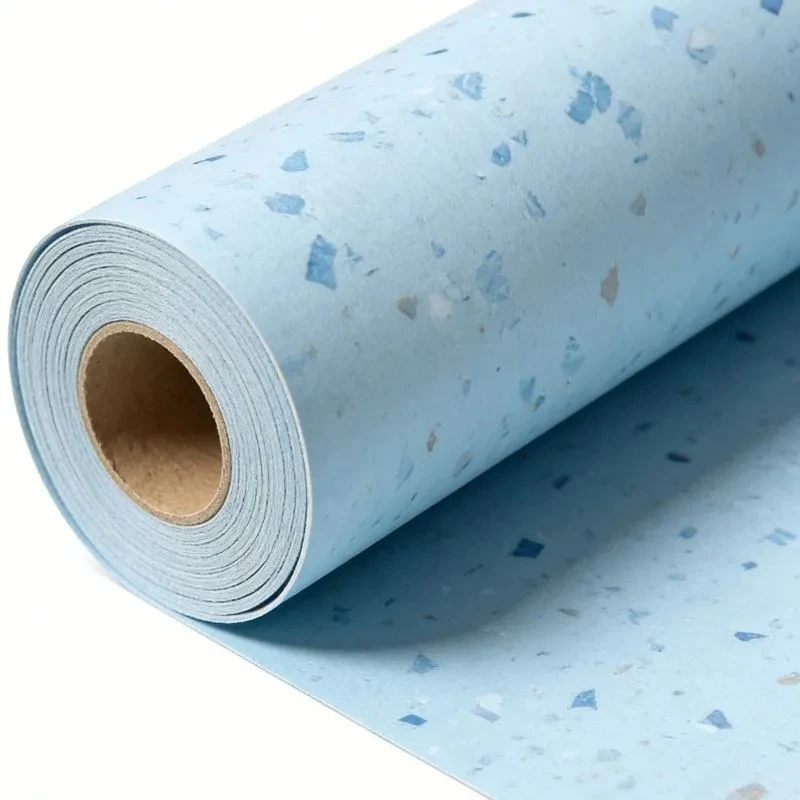
First, let’s talk about the basement’s biggest enemy: moisture. You can’t put any dance flooring — not marley vinyl, not hardwood, not even interlocking foam tiles — straight down on concrete, because concrete leaches moisture. Not just the kind that makes a floor feel a little cool; I’m talking about vapor emission, which is the invisible water vapor that rises from concrete pores. I once had a customer in Cleveland install a cheap interlocking foam dance tile straight on her basement concrete, and within 6 months, half the tiles had bubbled, lifted, and started to grow that fuzzy white mold along the edges. She called me panicking, saying I’d sold her “bad product,” but I had to explain she’d skipped the single most important step for basement installation: the moisture barrier.
Vapor emission levels in basements are measured using something called a relative humidity (RH) test, and that’s non-negotiable. A standard concrete slab in a basement usually has an RH level of 70% or higher; that’s way too high for any dance flooring that’s not specifically designed to handle it. Why does this matter for dancers? If moisture gets trapped between your floor and the subfloor, it doesn’t just ruin the flooring — it can make the surface slippery in spots, sticky in others, and even create warping on hardwood. For tap dancers, that’s a disaster; for ballet dancers, it can lead to ankle rolls because the surface isn’t consistent. For anyone doing floor work, like contemporary or yoga, it means you’re sliding more than you’re dancing, and that’s a fall risk.
The fix here isn’t complicated. Before you lay any dance flooring, you need to install a proper vapor barrier. What kind? Not a thin plastic sheet you can pick up at the hardware store (I’ve seen that fail too, it tears easily during installation and doesn’t seal all the concrete’s pores). I recommend a heavy-duty 20-mil cross-laminated polyethylene vapor barrier, the same stuff we use for commercial studio basements. You lay it so that the seams overlap at least 12 inches, and you tape them with butyl rubber tape — not regular packing tape, that comes loose in damp conditions. You also tape it up the walls about 6 inches, because moisture can seep from the base of the walls too. Wait another 48 hours after sealing the barrier before installing your dance floor, just to make sure everything’s dry.
Next, the subfloor itself. A lot of people think basements are concrete, which is true, but some have old, uneven concrete, or even plywood that’s been there since the house was built. Uneven subfloors are bad news for dance, because they create an inconsistent surface — one step is a little higher than the other, which throws off turns in ballet, or throws a tap shoe off balance. If your basement has plywood subfloor that’s in good shape (no soft spots, no mold), you’re golden — you can install most dance flooring directly over it, as long as you’ve done the moisture barrier first. If it’s concrete? You have two options: either grind down the high spots and fill the low ones with a self-leveling compound, or use an underlayment that’s designed to smooth out minor imperfections. I usually recommend the self-leveling compound for basements, because it’s permanent and gives you a perfectly flat surface — I did that for a studio in Akron that had a concrete slab with a 1/4 inch dip across 10 feet, and now it’s as flat as a basketball court. The only downside is it’s more work, but worth it for long-term use. If you don’t want to grind or level, a 1/4 inch foam underlayment specifically made for dance flooring will take care of minor unevenness, and it also adds a little cushion, which is great for knees and feet.
Now, let’s get to the dance flooring type, because not all floors are built the same, and some are better for basements than others. Let’s go through the most common types, based on what I see customers use in basements:
First, marley vinyl. This is the go-to for ballet, tap, and contemporary, right? It’s smooth, consistent, and easy to clean. Can you use it in a basement? Absolutely — as long as you pair it with the right underlayment and barrier. The standard marley vinyl (also called performance vinyl) is 2mm or 3mm thick; for basements, I always recommend 3mm, because it’s thicker, more durable, and less affected by minor shifts in the subfloor. I once had a customer who used 2mm marley in her basement and complained that it creaked when she did jumps; switching to 3mm fixed that completely. Just make sure you get marley that’s rated for “high moisture environments” if you can find it, but the barrier will take care of most of that anyway.
Second, interlocking dance tiles. These are super popular for home dancers, because they’re easy to install, no tools, no glue, you can take them apart if you need to move the space. Great for basements? Again, yes, but with a catch. Most interlocking tiles (the foam ones) aren’t meant for constant heavy use — if you’re doing 10 hours a week of tap or hip-hop, they’ll start to compress within a year. There are also vinyl interlocking tiles, which are more durable, better for heavier dance styles, and hold up way better in damp conditions. The foam ones are fine for occasional use, like if you just practice on weekends, but for regular dancing, go vinyl. I’ve had a set of vinyl interlocking tiles in a customer’s basement for 5 years now, and they look almost the same as the day we installed them.
Third, hardwood flooring. I know a lot of people love the look of a wood dance floor, and it’s common in professional studios. Can you use hardwood in a basement? Yes, but you have to be way more careful. Engineered hardwood is better than solid hardwood, because it’s more stable and less prone to warping. Solid hardwood expands and contracts with moisture changes, so in a basement that’s high in humidity, it can cup or gap. If you go engineered, make sure it’s a floor that’s rated for below-grade use, which means it’s treated to resist moisture. And again, you need the vapor barrier under it, and a proper underlayment — usually a 1/8 inch cork underlayment, which adds cushion and also helps with soundproofing, a huge bonus if your basement is right under other living spaces.
Wait, speaking of soundproofing — that’s a huge bonus to basements, right? They’re usually quiet, so if you’re a home dancer, you don’t have to worry about annoying the neighbors upstairs when you’re practicing at 7 a.m. Or if you’re running a small studio, less noise for any space above. The underlayment adds to that, so if you choose a floor with a good underlayer, you’re killing two birds with one stone: safe dance surface and sound reduction. I always tell people that when I sell dance flooring for basements, that’s one of the biggest perks I point out.
Now, what about the stuff you didn’t think about, like temperature and ventilation. Basements are often colder than above-grade spaces, and they can get stuffy if you don’t have good ventilation. How does that affect your dance floor? Vinyl floors aren’t affected by temperature, as long as it’s not below freezing, but foam underlayments can get a little firmer in cold weather, which makes the surface a little less cushiony. I recommend keeping your basement at around 60-70 degrees F, which is comfortable for you and for the floor. Ventilation is important too — even with a vapor barrier, if your basement is totally sealed, moisture can build up from laundry, showers, or even just the air outside when it’s humid. Run a dehumidifier in your basement, especially in the summer, to keep RH levels below 60% — that’s the sweet spot for all dance flooring. I’ve had customers skip the dehumidifier and end up with mold on the walls, and even on the edges of their floor, so it’s not optional.
Wait, let’s address the old myth that basements are inherently bad for dance floors. I had a customer in Indianapolis, a tap dancer who practices 6 hours a day, installed a marley floor in her unfinished basement, added the vapor barrier, self-leveled the concrete, a 3mm foam underlayment, and a dehumidifier, and that floor has been going strong for 7 years. She even did a recital there last year for her dance team. Another customer, a hip-hop dancer in Detroit, used vinyl interlocking tiles in his basement for his weekly classes, and he’s had zero issues in 4 years. The only time I say no to a basement dance floor is if your basement has active water leaks — like if water comes in when it rains, or if you have a sump pump that’s constantly working and the humidity is over 80% no matter what you do. Even then, we’ve fixed those with a better moisture barrier and a more advanced dehumidification system, but that’s a case-by-case thing.
Let me also talk about common mistakes I see people make, because I’ve seen them all. First, skipping the vapor barrier. That’s the number one mistake. I can’t tell you how many times someone calls me after installing a floor straight on concrete, wondering why it’s ruined. Second, using the wrong underlayment. For example, using a regular foam underlayment that’s not rated for dance — that compresses too fast, leading to a hard surface that hurts your knees. Third, not testing the moisture level. I always recommend doing an RH test before you install anything; you can pick up a test kit at any hardware store for like $20, and it takes 24 hours. Just tape the test patch to the concrete, wait, and check the reading. If it’s over 70%, don’t install anything until you fix the moisture issue. Fourth, not maintaining the floor. Basements can get dusty, just like any other space, so you need to clean your dance floor regularly — for vinyl, use a mild soap and water, no harsh chemicals, because they can break down the material. For wood, use a wood-specific cleaner, and for foam interlocking tiles, vacuum them or wipe them down with a damp cloth.
Now, let’s talk about which dance styles work best in a basement, just to make it relatable. Ballet: perfect, as long as you have a flat, consistent surface. The cushion from the underlayment is great for landing turns and jumps, and the smooth vinyl gives you enough traction without being sticky. Tap: great too, but you need a surface that’s smooth and has just enough give, not too much give (that makes taps sound muffled, which is bad for timing). Marley vinyl 3mm is ideal here. Hip-hop: love basement spaces for hip-hop, because you have enough space, the sound is muffled, and if you use vinyl interlocking tiles or marley, you have enough cushion for breakdancing moves like windmills and headspins. Contemporary: great for floor work, the underlayment adds cushion for falls, and the smooth surface is perfect for sliding and floor work. The only dance style that might struggle a little is competitive ballroom, but even then, a professional-grade marley floor installed correctly works fine in a basement — I did that for a ballroom team in Toledo a couple years ago.
Wait, what about if you’re renting a place, and you can’t make permanent changes? Like, you can’t grind concrete or install a vapor barrier that’s glued down. No problem — that’s where the interlocking vinyl tiles come in. They’re temporary, easy to take down, no damage to the concrete, and they work great. I have a lot of teen dancers who live in apartments with basement storage, so they put the tiles down in their storage space and move them to their living room when they want to practice — and the storage space works just as well as a dedicated practice space. The only downside is that interlocking tiles can have gaps if they’re not clicked together right, so you just have to make sure you press each piece firmly into place.
At the end of the day, the answer to “Can I use dance flooring in a basement?” is a resounding yes — but it’s not just picking up any floor and laying it down. It’s understanding the unique quirks of a basement: moisture, uneven concrete, temperature, ventilation, and matching the right floor to your needs. As someone who’s been in this industry for over a decade, I’ve helped hundreds of customers navigate basement dance floor installations, from home hobbyists to small studios, and I’ve never had someone leave saying they regretted it. A basement can be one of the best spaces for dance: it’s private, quiet, and if you set it up right, it’s as good as any above-grade studio space.
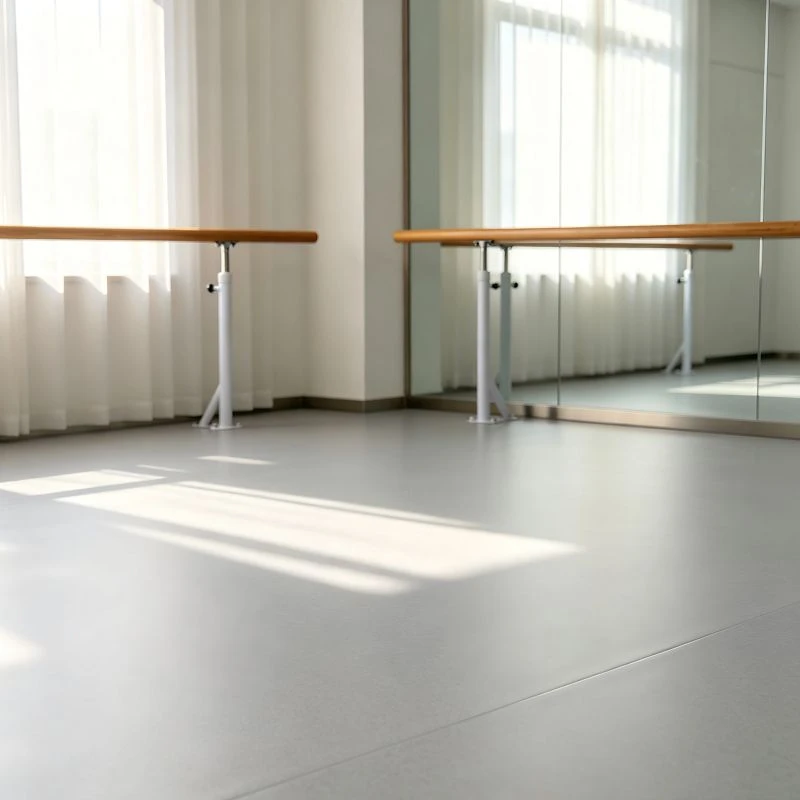
If you’re thinking about installing a dance floor in your basement, whether it’s for personal practice, small classes, or a home recital, we can help. We’ll walk you through testing the moisture level, recommending the right floor type for your dance style and space size, and answer any questions you have about installation, maintenance, or how to fix common issues. Just reach out to our team to start a conversation — no pushy sales pitches, just real advice from people who dance, not just sell floors.
Homogeneous Vinyl Flooring References:
- National Wood Flooring Association. (2021). Installation Guidelines for Below-Grade Wood Flooring. St. Louis, MO: NWFA.
- Resilient Floor Covering Institute. (2022). Moisture Mitigation for Vinyl Floors in High-Humidity Environments. Rockville, MD: RFCI.
- Dance Studio Life Magazine. (2023). The Beginner’s Guide to Basement Dance Floor Setup. Los Angeles, CA: Dance Media Group.
- International Code Council. (2020). Residential Building Code: Basement Subfloor and Vapor Barrier Requirements. Washington, D.C.: ICC.
Qingdao Xinkailin Environmental Protection Materials Co., Ltd.
As one of the most professional dance flooring manufacturers and suppliers in China, we’re featured by quality products and good price. Please rest assured to buy premium dance flooring for sale here from our factory. Also, custom service is available.
Address: Room 618, Hedaxinduhui, No. 196 Tailiu Road, Shibei District, Qingdao City
E-mail: laura@xklflooring.com
WebSite: https://www.xklflooring.com/
