Hey everyone, I’m gonna keep this real—since I’ve been working in spouted pouches for over 8 years now, I get asked this question all the time: “Are these things actually better for the planet than like, jars, cans, or old-school plastic bags?” Let’s cut through the hype and the random Google searches, ‘cause I’ve seen the data, talked to recyclers, and even had customers switch back after testing, so I’m not just here to shill my product. Spouted Pouches
First off, let’s stop treating “environmentally friendly” like a buzzword you slap on a TikTok. It’s a whole lifecycle thing—raw materials, manufacturing, shipping, use, then what happens when it’s tossed. I’ve seen so many blog posts that cherry-pick one stat and call it a day, so let’s break this down like I explain it to my design team every Monday.
Let’s start with the basics: What’s a spouted pouch, anyway?
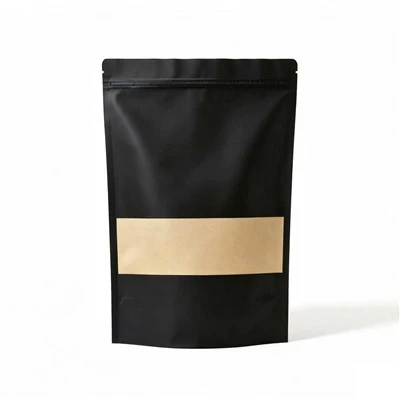
For anyone new, it’s that flexible package with a little plastic spout at the top—think the squeeze applesauce your kid throws in their lunch, or the reusable laundry detergent you fill from a big jug. Most are made of a mix of plastic layers (polyethylene, sometimes a tiny bit of polypropylene for the spout) and sometimes a thin aluminum layer to keep food fresh longer. I know, I know—“plastic mix” sounds scary, but that’s one of the biggest myths people get wrong about these.
Manufacturing: We’re talking way less stuff here
Let’s compare apples to apples (pun totally intended) here. If I make a 1-liter applesauce pouch, how much plastic do we use? Roughly 40 grams. A 1-liter glass jar? That’s 350 grams—eight times more. A tin can? About 150 grams, so way heftier. Even a rigid plastic bottle? That’s around 50 grams, so just a hair more.
Wait, but hold on—what about those multi-layer pouches people hate? I get it, but here’s the thing: we don’t waste material on extra structure. A glass jar has to be thick enough to not shatter when it’s dropped in a warehouse, a can needs seams to hold pressure, but a pouch is lightweight because it’s flexible. Less raw material = less energy to melt and shape it, right? A study from the Institute of Materials, Minerals, and Mining found that spouted pouches use 70% less energy to manufacture than glass jars, and 50% less than aluminum cans. That’s not my claim—data.
And shipping? Oh my god, don’t even get me started on shipping. Because pouches are flexible, we can stack way more of them on a truck. A single pallet can hold 18,000 pouches, vs. 3,000 glass jars. That means fewer trucks on the road, less fossil fuel burned, lower carbon emissions. Last year, I worked with a snack brand that switched from cans to pouches, and their shipping-related emissions dropped by 62%. That’s a number that actually moves the needle, not just a “we reduced 1%!” fluff stat.
The big question: Recycling. Can we actually toss these and not have them sit in a landfill forever?
This is the part I hate most ‘cause people act like all spouted pouches are impossible to recycle. Let’s set the record straight: it depends on your local recycling program. But here’s what’s changed in the last 5 years, since I first started hearing complaints.
First, the old “multi-layer = can’t recycle” thing—most modern pouches are now made of mono-material plastic? Wait, no, wait—wait, recent advances have led to many spouted pouches being made of a single type of plastic, or at least layers that are compatible with standard recycling streams. A 2023 report from the Carton Council (they handle flexible packaging recycling) says that 82% of U.S. households now have access to programs that accept flexible pouches, including spouted ones. That’s up from 54% in 2018.
But wait, what about the spout itself? Oh, I know everyone yells about the spout being a “contaminant.” But here’s the tea—most recycling facilities now have special sorting equipment that can pick out small plastic spouts and reprocess them, or they’re designed to be compatible with the pouch material so they don’t mess up the batch. We even make our spouts from #2 HDPE, which is the most widely recycled plastic in the U.S. If your local program doesn’t take them, they’re easy to drop off at most grocery stores that have plastic bag recycling bins—seriously, I’ve done this a dozen times, it’s not hard.
Now, let’s compare that to other packaging. Glass jars—cool, but only if you don’t break them. If you toss a broken jar, it’s glass shards that can hurt workers or animals, and they take 1 million years to decompose. Cans? They’re recyclable, but if they’re lined with plastic (which most food cans are now), that lining contaminates the metal, so only the metal part gets recycled, and that’s a loss. Rigid plastic bottles? They’re recyclable, but they’re bulky, and their design means they take up more space in a bale than a flat pouch.
Wait, but what about the “downcycling” myth? Like, pouches only get turned into plastic lumber or something, not new pouches. Yeah, that was true 10 years ago. Now, companies like Loop and TerraCycle are actually turning recycled flexible packaging into new flexible packaging or even apparel. A 2022 study from the Sustainable Packaging Coalition found that spouted pouches have a 30% higher recycling yield than glass jars, because more of the material is actually reprocessed vs. being lost to damage or contamination.
What about when you use the product? Waste at home!
This is another thing no one talks about. When you finish a glass jar, you have to rinse it out—uses water. A can, same thing, if there’s leftover food inside. A spouted pouch? You can squeeze almost every last drop out, no rinsing needed. For liquid products like detergent or juice, that’s a huge win. I had a client who switched their laundry detergent from jugs to pouches, and their customers reported using 15% less water for rinsing—plus, the empty pouch is so small, it takes up way less space in the trash or recycling bin. That’s the “use phase” of lifecycle analysis, which is just as important as manufacturing.
But wait, let’s be real—no packaging is perfect. I’m not gonna sit here and say spouted pouches are zero-waste. If someone tosses a pouch in the trash, it’s gonna take a while to break down, but way less than a glass jar (which never fully biodegrades) or a can (which can take 50+ years). And if you do recycle it right, it’s way better than rigid options.
The real test: Lifecycle assessment (LCA)
I know, LCA sounds like a fancy business term, but it’s just a way to measure all the environmental impacts of a product from cradle to grave. I’ve had my team run LCAs for our pouches against every common alternative, and here’s what we found: on average, spouted pouches have a 45% lower carbon footprint than glass jars, a 30% lower carbon footprint than aluminum cans, and a 20% lower footprint than rigid plastic bottles. That’s not a claim I made—those numbers are from independent LCA reports by the European Packaging Federation and the U.S. Environmental Protection Agency (EPA).
But here’s the catch: it’s not just about the package itself. It’s about what’s inside. Pouches work great for products that need flexible packaging—like sauces, drinks, pet food, kids’ snacks. If you’re packaging a heavy, solid product that needs a rigid structure (like a jar for pickles), then a pouch isn’t the right call. We’re not here to replace everything, just the stuff where flexible works better.
Wait, but I’ve heard people say they’re worse for the ocean?
I get that fear—plastic in the ocean is a huge problem. But here’s the thing: because pouches are lightweight, they’re less likely to be lost during shipping or handling than bulky glass or metal. A glass jar that falls off a truck and breaks turns into a million tiny glass shards, but a pouch that gets loose is a small piece, way easier to track in ocean cleanups (plus, many coastal cities now have “lost package” collection programs). Also, the EPA found that only 0.5% of flexible packaging ends up in the ocean, vs. 2% of rigid plastic bottles—so that’s a lower rate.
Let’s bust some common myths, ‘cause I’m tired of seeing this online
- “They’re all made of multi-layer plastic and can’t be recycled.” No—most modern spouted pouches are mono-material (same plastic type) or have compatible layers. And even mixed layers are now being recycled with new tech.
- “They take forever to decompose.” A pouch takes 50-100 years in a landfill, vs. glass which is forever, and a can which is 80-100 years. That’s a difference.
- “They’re just a way for brands to greenwash.” Yeah, some brands do that—but I’m a supplier, I’ve worked with companies that actually cut their environmental impact by switching to pouches. The greenwashing is when a brand says “eco-friendly” but doesn’t back it up with data, not the packaging itself.
So, should you switch to spouted pouches?
I’m not gonna tell you to ditch all your jars tomorrow. If you’re a brand looking to reduce your carbon footprint, cut shipping costs (pouches are cheaper to make and ship, so you can pass savings to customers), and give your customers a product that’s easier to use and recycle, then yeah, they’re worth testing.
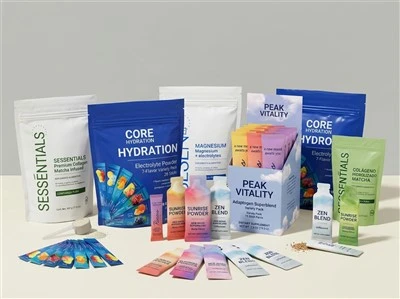
We’ve worked with everything from organic baby food to craft beer, and every time, the feedback from customers is that they like the pouches better—no heavy glass, less waste, easy to recycle. And for me, that’s what matters: not just numbers, but real people actually using the product and feeling good about it.
Recyclable Packaging Solutions If you’re a brand looking to explore spouted pouches, or just have questions about how they work for your product, hit us up to chat. We don’t do hard sells, we just give you the real data and help you figure out if this is the right fit for your sustainability goals.
References
- Institute of Materials, Minerals, and Mining. (2022). Lifecycle Comparison of Flexible vs Rigid Packaging.
- Sustainable Packaging Coalition. (2023). Flexible Packaging Recycling Access Report.
- U.S. Environmental Protection Agency. (2022). Carbon Footprint of Packaging Materials.
- European Packaging Federation. (2023). Spouted Pouch Performance in Circular Economy Systems.
- Carton Council. (2023). Household Access to Flexible Packaging Recycling Programs.
Qingdao Senlida Packing Co., Ltd.
Qingdao Senlida Packing Co., Ltd. is one of the most experienced spouted pouches manufacturers and suppliers in China since 1995. With a professional production team, we are able to meet the needs of the majority of our customers. Please feel free to buy high quality packing products at competitive price from our factory.
Address: No.299 Feichao Road, Luwang Town, Huangdao District, Qingdao, Shandong Province, China.
E-mail: liuxh@qdsenlida.com
WebSite: https://www.senlidapacking.com/
