Hey everyone! Let’s cut to the chase—if you’re here staring at a broken door lock, you’ve probably already asked yourself: “Can I fix this, or do I need to shell out for a whole new one?” As a door lock supplier who’s been in this game for almost a decade, I talk to folks every single week who are torn between grabbing a screwdriver and hitting up our sales team for a replacement. Today, I’m breaking this down straight, no fancy jargon, just real, practical stuff that actually works. Door Lock
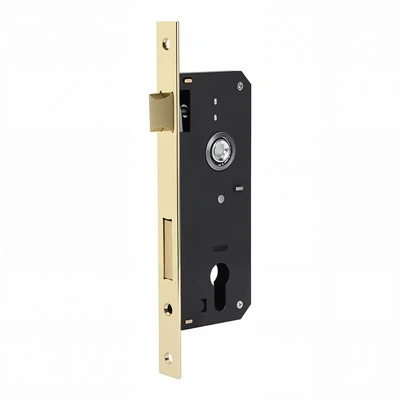
First off, let’s get one thing clear: not every broken lock is a write-off. I’ve seen so many people panic when their lock jams or won’t turn, only to find out it’s a tiny, fixable part, not the whole thing. Let’s start with the most common issues we get calls about, and what’s actually repairable, versus what you can skip fixing.
If your lock is sticking or won’t turn smoothly: 9 times out of 10, this isn’t a total failure. Most of the time, it’s just built-up gunk, dirt, or dust in the mechanism. Locks are mechanical, right? They move a lot, and over time, that crud just collects in the gaps between the pins, springs, and the cylinder. A lot of people think to spray WD-40, but wait—don’t grab the first lubricant you see. WD-40 is a solvent, so it’ll clean gunk fast, but it dries out way too quickly, and that can actually cause more wear long-term. Our go-to tip here is a dry, graphite lubricant. You just blow out the loose dirt with a can of compressed air (the kind you use for cleaning keyboards works great) then squirt a little graphite into the keyhole, insert your key a few times to work it in, and boom—usually fixed. I’ve had customers text me photos of their locks an hour after doing this, saying it works like new. That’s the kind of repair that saves you $100+ on a new lock, easy.
What if the key won’t turn at all, even after lube? Okay, maybe the key is worn down. Keys get bent, or the teeth on the key get dull from use over years. That’s another fixable one—if you’ve got a spare key, try that. If the spare works, you just need to get your original key cut again at a hardware store. Now, if neither key works, the issue might be the lock cylinder’s pins. Locks have small metal pins that line up with your key’s teeth to turn the cylinder. Sometimes those pins get misaligned, or one breaks off. Small pin issues are repairable—we sell pin repair kits, and we’ll walk you through installing them over the phone if you need. Way cheaper than a full replacement.
But here’s where it gets tricky: what if the lock’s body is damaged? Like, if the door latch is bent, or the part that connects the lock to the door frame (the strike plate) is pulled loose or cracked. A bent latch is fixable if it’s just a slight bend—you can use a pair of pliers to bend it back into shape, just take it slow so you don’t snap it. If the latch is really messed up, you might need a replacement latch, which is a super easy swap—you don’t even need a professional, just a screwdriver. Now, if the strike plate is stripped out, meaning the screws no longer grip the wood, that’s fixable too. You can use wood filler or even wooden toothpicks dipped in glue to fill the old screw holes, then re-screw the strike plate. I’ve done this on my own back door, works perfectly.
Now, when should you just stop trying to repair it and get a new lock? This is where a lot of people make mistakes—they waste hours patching up something that’s actually too far gone. First, if the lock cylinder is broken beyond the pins. Like, if the whole cylinder is snapped in half, or it’s corroded so bad that you can’t get anything to move. Corrosion usually happens if your door is near the coast (salt air) or if water gets inside the lock (like if your door has a gap and rain leaks in). Corroded locks are just too degraded to repair—you’re better off putting in a new one, because even if you patch it now, it’ll break again in a few weeks. Second, if the lock is electronic. Wait, electronic locks (like smart locks, keyless entry) are different than mechanical ones. If your smart lock’s circuit board is fried, or the battery compartment is corroded so bad it leaks into the board, that’s not repairable 9 times out of 10. The cost to fix the circuit board is almost the same as a new smart lock, so it’s not worth it. Third, if the lock is old—like, 20+ years old. Old locks have parts that are no longer made, and even if you can find a replacement pin or latch, the rest of the mechanism is probably worn thin, so it’ll break again soon anyway.
I’ve heard so many horror stories from customers who tried to “macgyver” a broken lock instead of replacing it. One guy last month told me he tried to use a paperclip to jam a broken pin back into place, and ended up damaging the whole cylinder so bad he had to replace the whole lock anyway. Don’t do that. If you’re not sure what’s wrong, send us a photo, or shoot us a quick note—we’re a lock supplier, we don’t charge to give basic advice. That’s what we’re here for.
Another thing a lot of people don’t think about: if your broken lock is on a front door, security matters way more than saving $50. A flimsy repaired lock is easier for intruders to pick or break than a new one. So if your lock is broken and it’s your main entry, weigh the repair cost vs. the security risk. Sometimes the small repair is worth it, sometimes a new lock is a better call.
Wait, let’s talk about rental properties too, because a lot of our customers are landlords or renters. If you’re a renter, check your lease—most places let you repair minor lock issues on your own, but if it’s a major break, you have to let the landlord handle it. If you’re a landlord, repairing a lock is way cheaper than putting in a new one, especially if it’s just a pin or a latch. We even do bulk pricing for rental properties, so that’s a win-win.
Here’s a quick recap to wrap this up: Can a broken door lock be repaired? Yes—most of the time, if the damage is minor (sticking, worn key, misaligned pins, bent latch, loose strike plate). No—if the damage is major (snapped cylinder, corroded beyond repair, fried electronic circuit board, 20+ years old).
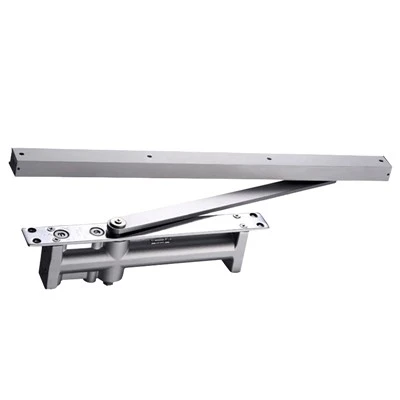
At the end of the day, if you’re still on the fence, just reach out. We don’t sell cheap, flimsy locks—we’ve got options for every budget, from budget mechanical locks to high-end smart locks. If your lock is fixable, we’ll send you the parts and walk you through it. If it’s not, we’ll hook you up with the right lock, no pressure. We’re a door lock supplier, not a sales team that’s gonna push a $200 lock on you when a $10 one would work. Just tell us what’s wrong with your lock, and we’ll sort it out.
Door Lock If you’re ready to replace your broken lock, or want to pick up parts for a repair, hit us up to chat about pricing and availability. We’re here to make sure your doors stay secure, no matter what.
References
- National Fire Protection Association. Residential Door Lock Maintenance and Safety Guidelines. NFPA, 2021.
- Consumer Product Safety Commission. Home Security: Lock Repair vs. Replacement Advice. CPSC, 2022.
- Locksmith Association of North America. Mechanical Lock Repair Best Practices. LANA, 2023.
- Electronic Security Association. Smart Lock Troubleshooting and Replacement Standards. ESA, 2022.
Jiangsu Wenzhong Lock Industry Co., Ltd.
As one of the most experienced door lock manufacturers and suppliers in China, we also support customized service. We warmly welcome you to wholesale bulk cheap door lock in stock here from our factory. If you have any enquiry about pricelist, please feel free to email us.
Address: Xiaoliang Industrial Park, Danyang City, Jiangsu Province
E-mail: Rongoo7@163.com
WebSite: https://www.wenzhonglocks.com/
